Have you ever imagined exploring mysterious underground passages, adorned with enthralling historical stories? In Bukittinggi, West Sumatra, a place called Japanese hole offers a unique experience that will take you back in time.
Here, you'll find underground tunnels built by the Japanese army during World War II. These tunnels bear witness to fierce battles and complex war strategies. Through the dark passages, you will feel the tense atmosphere and touch the heroic stories of the fighters who defended the homeland.
The Japanese Hole is not just a historical site, but also an interesting tourist destination. With stunning natural scenery and fresh mountain air, exploring this place will be an unforgettable experience.
Ready to embark on an adventure? Let's explore more about Bukittinggi Japanese Hole.
Revealing the Story of the Past: The History of Bukittinggi's Japanese Holes
The Bukittinggi Japanese Tunnel is not just another hole. This site is a true testament to the dark history of the Japanese colonial period in Indonesia.
The Story Behind the Mysterious Passages
The Japanese tunnels were built in 1942 by the Japanese army as a secret headquarters and command center. These tunnels were designed with an elaborate defense system, consisting of winding underground passages, escort posts, and weapons storage rooms.
Japanese soldiers used these tunnels to avoid air raids and as shelter during battles. These tunnels also served as a storage place for logistics and ammunition to support their military operations in the Bukittinggi region and beyond.
Tracing the Footsteps of the Warriors
Apart from being a place of defense, Lobang Jepang also holds heroic stories of Indonesian fighters. Inside the tunnel, there are several rooms used as detention rooms for captured fighters. Here, they faced various tortures and torture from Japanese soldiers.
Despite facing a tough situation, Indonesian fighters remained steadfast in their struggle against colonialism. They successfully carried out resistance and sabotage against the Japanese army, eliminating some Japanese military personnel and facilities.
Interesting Facts about the Japanese Hole in Bukittinggi
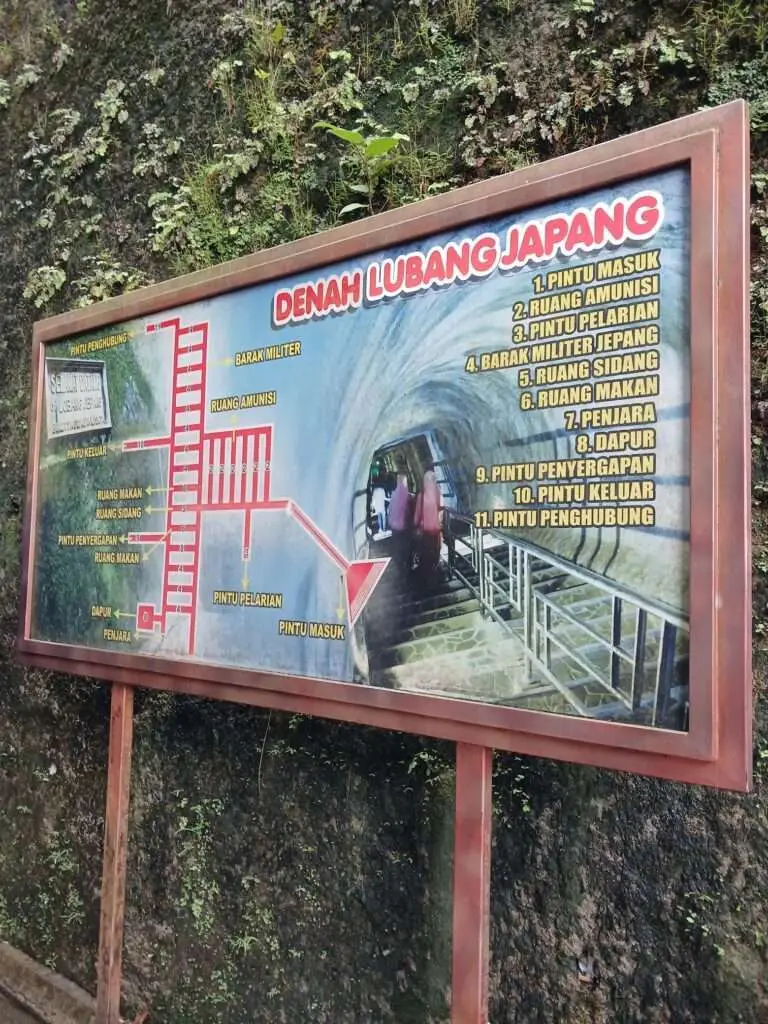
- The Japanese hole is about 1,200 meters long. These hallways are connected to several rooms, including the command room, detention room, and weapons storage room.
- This tunnel was built using human labor. Workers are forced to work endlessly in extremely harsh conditions, without proper equipment.
- The Japanese hole is a clear evidence of the cruelty of Japanese colonization in Indonesia. This tunnel reveals the story of the Indonesian people's long and hard struggle against colonialism.
Reaching the Heart of History: Where and How to Get to the Japanese Hole in Bukittinggi
Lobang Jepang Bukittinggi is located on the slopes of Mount Marapi, close to other attractions such as Jam Gadang and Sianok Gorge. This location is easily accessible by various modes of transportation.
Into the Halls of Time: How to Get to Bukittinggi's Japanese Hole
- Private Vehicle: If you drive from the city center of Bukittinggi, you can follow the path to Sianok Gorge. Lobang Jepang is located on the left side of the road, before reaching Sianok Gorge.
- Public Transportation: You can use city transportation (angkot) with a route number that goes through the road to Sianok Gorge. Ask the driver to drop you off in front of Lobang Jepang.
- Ojek: Ojek are easily available around downtown Bukittinggi. You can hire an ojek to take you to Lobang Jepang.
- Tour: Many tourist agencies offer tour packages to Lobang Jepang along with other attractions in Bukittinggi.
Tracing the Trail of History: Exploring Bukittinggi's Japanese Hole Route
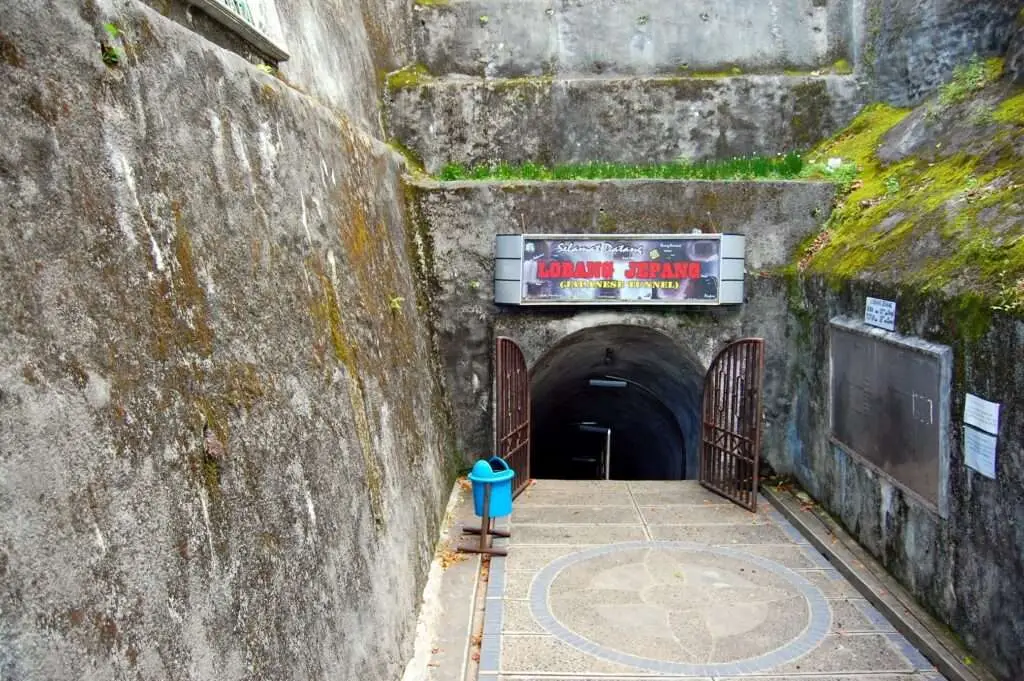
- Entrance Gate: At the entrance gate, you will be greeted by statues of Japanese soldiers and information about the history of the Japanese Lobang.
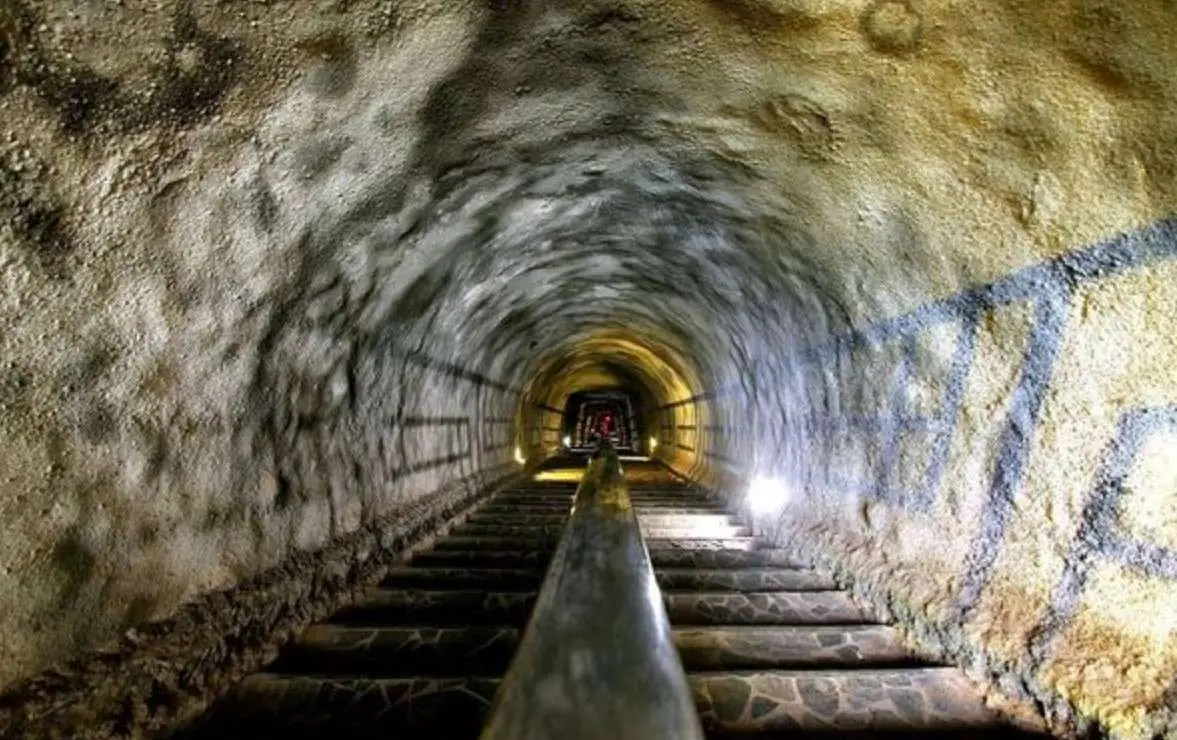
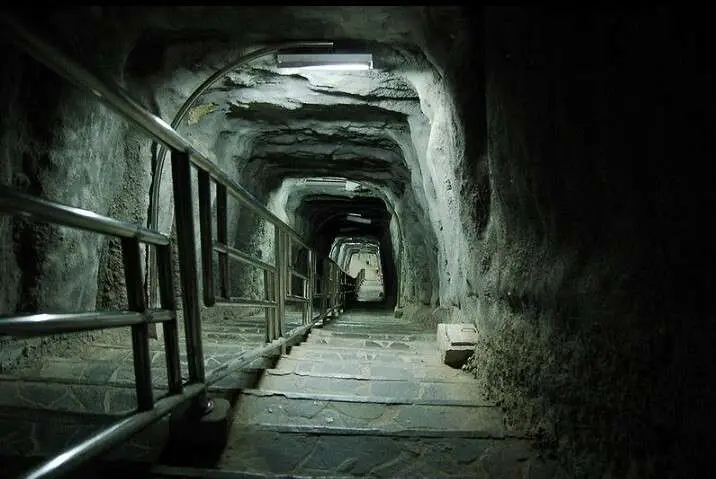
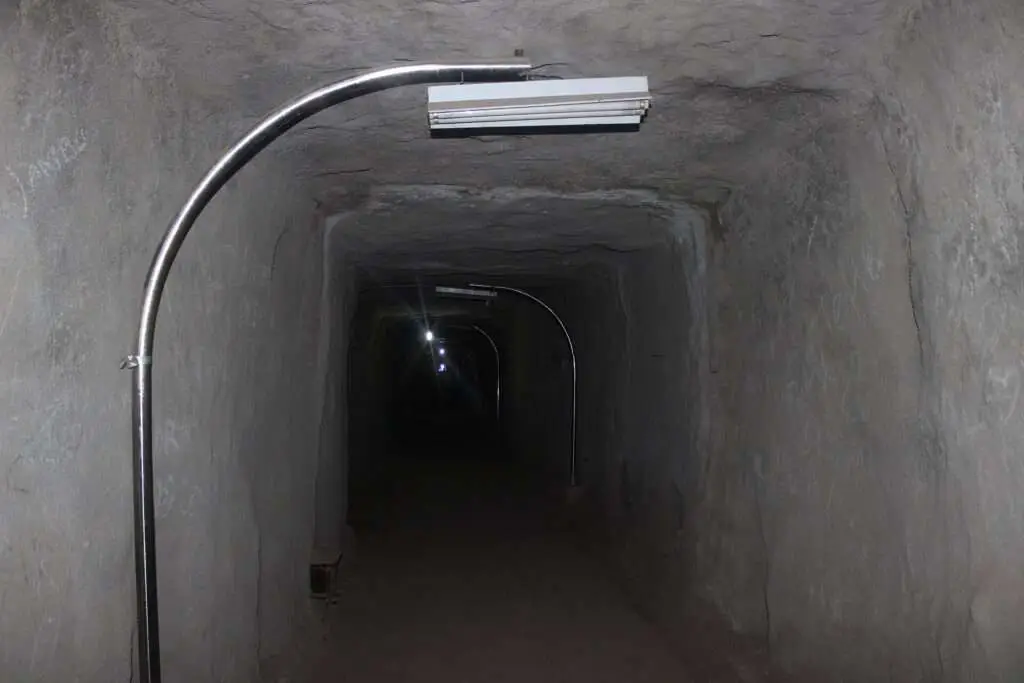
- Main Hallway: After passing through the entrance gate, you will walk through the long and winding main hallway.
- Command Room: Along the hallway, you will find several rooms, including a command room used by Japanese soldiers to organize war strategies.
- Detention Center: On the other side of the hallway, you'll find a detention room that was used to hold captured Indonesian fighters.
- Weapons Storage Room: Inside the tunnel, there is also a weapons storage room used by Japanese soldiers to store weapons and ammunition.
The Best Time to Enjoy the Charm of the Japanese Hole
Lobang Jepang Bukittinggi can be visited throughout the year. However, the best time to visit is during the dry season, from April to October.
Exploring Japanese Holes in the Dry Season
- Air Temperature: The air temperature in the dry season is cooler and more comfortable for exploring the passageways of Lobang Jepang.
- State of Rain: In the dry season, rainfall is low so there is less risk of slippery roads and waterlogged tunnels.
- The Experience of Exploring: In the dry season, you can enjoy exploring Lobang Jepang more comfortably and freely.
Best Time to Visit
The best time to visit the Japanese Lobang is in the early morning or late afternoon. The air temperature is cooler and the lighting is better for exploring the underground passages.
Reasons to Choose Japanese Hole as a Tourist Destination
Lobang Jepang Bukittinggi offers a unique and enthralling travel experience. It offers a blend of history, adventure and natural beauty.
Tracing the Alleys of History
Lobang Jepang is an important historical site that tells the story of the Indonesian people's struggle against Japanese colonization.
Exploring Underground Tunnels
Venturing inside the underground passages offers an interesting and mysterious sensation. You will feel the gripping atmosphere and touch the heroic stories of the warriors who once fought in this place.
The Natural Beauty of Bukittinggi
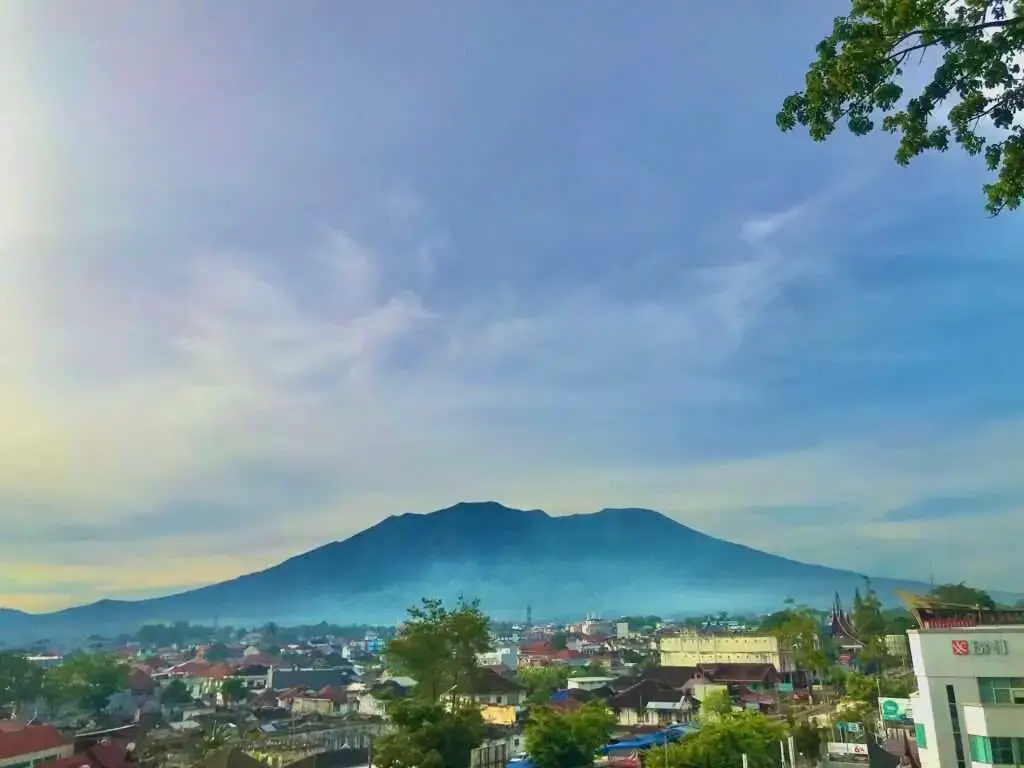
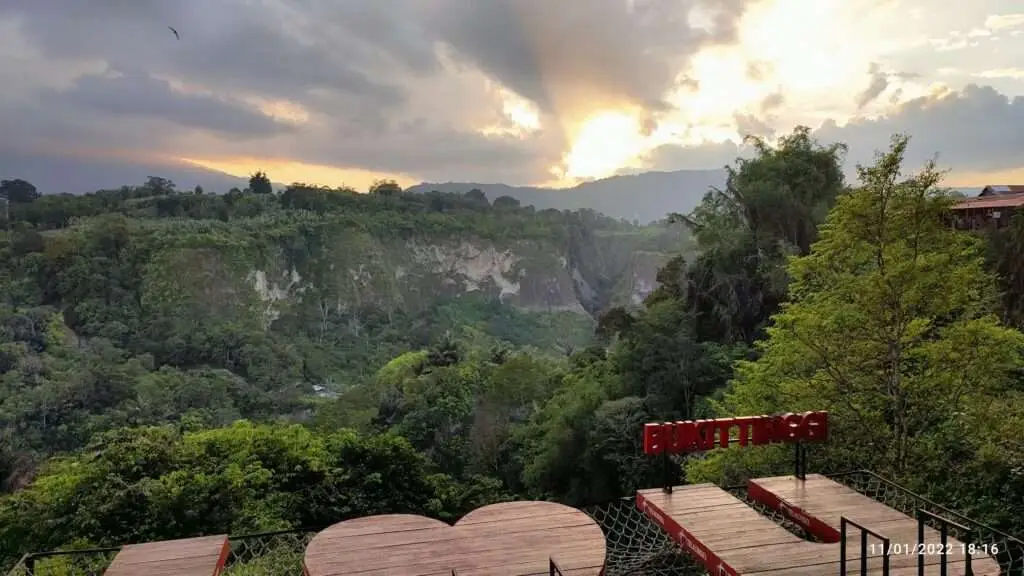
Lobang Jepang is located in a beautiful neighborhood. Around the location, you can enjoy the stunning natural scenery of Bukittinggi, such as Sianok Gorge and Mount Marapi.
Exploring Further: Fun Activities Around the Japanese Hole
Lobang Jepang is not just a place to explore history. Around the location, you can also enjoy various other interesting activities.
Admiring the Panorama of Sianok Canyon
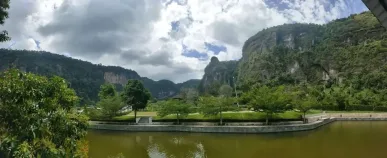
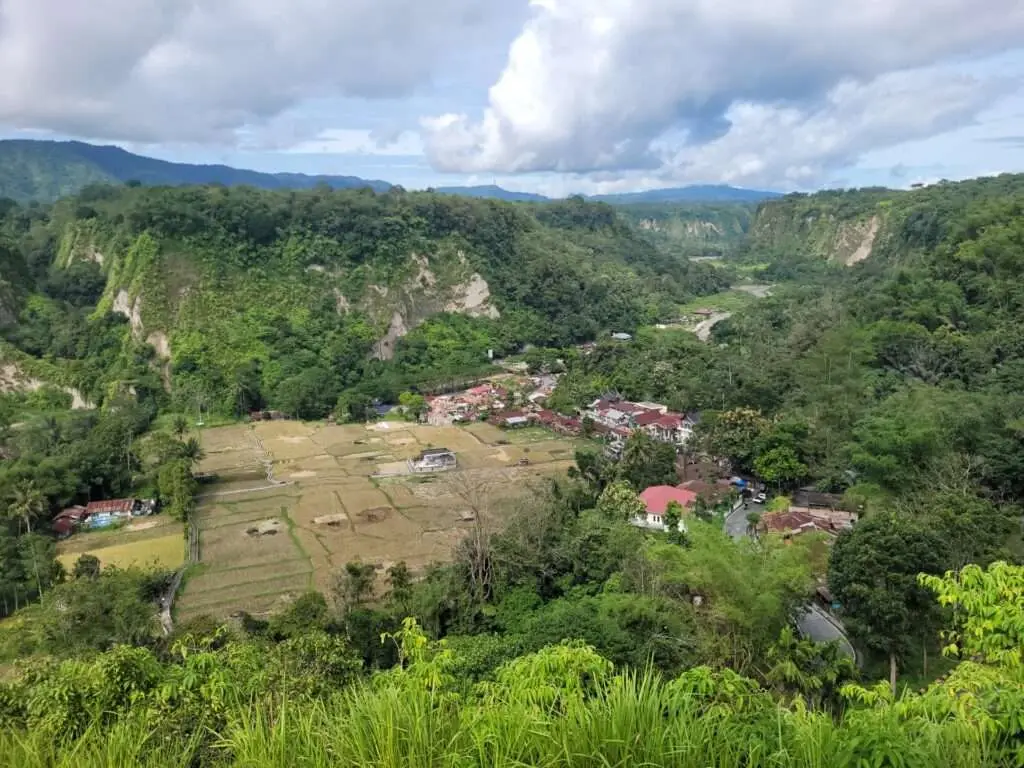
Sianok Gorge is a stunning steep cliff. From the top of the cliff, you can enjoy the view of the green valley and the river flowing below.
Exploring the Protected Forest
Around Lobang Jepang, there is a protected forest that you can explore. This forest is home to a variety of animals and plants.
Camping on the Slopes of Mount Marapi
If you want to enjoy a quieter nature, you can camp on the slopes of Mount Marapi. Here, you can enjoy stunning sunrise and sunset views.
Tasting the Culinary Delights of Bukittinggi
No visit to Bukittinggi is complete without sampling its culinary specialties. Around Lobang Jepang, you can find a variety of delicious culinary delights that will surely spoil your tongue.
Savoring the Deliciousness of Rendang and Lemang
Rendang and lemang are very popular Minangkabau dishes. Rendang is beef cooked with spices and coconut milk until tender and flavorful. Lemang is sticky rice cooked in bamboo.
Tasting Fresh Sugarcane Ice and Satay
Es tebu is a refreshing drink that is perfect to beat the heat in Bukittinggi. Satay is grilled meat seasoned with spices and soy sauce.
Recommended Places to Eat:
- Bundo Kanduang Restaurant: It offers delicious and authentic Minangkabau dishes.
- Pondok Sari Restaurant: A cozy place to eat with a diverse menu and affordable prices.
- Cafe The Hill: The cafe has a beautiful view and serves a variety of drinks and snacks.
Looking for a Place to Rest: Attractive Accommodations Around Japanese Hole
Around Lobang Jepang, you can find various accommodation options that are comfortable and suitable for your budget.
Seeking Luxury:
- Grand Inna Bukittinggi Hotel: A four-star hotel with luxurious facilities and beautiful views.
Seeking Warmth:
- Homestay Pondok Sari: A cozy and beautiful homestay with the feel of a traditional Minangkabau house.
Seeking Pleasure:
- Five Star Lodging: An inn that offers a wide range of recreational and entertainment facilities.
Exploring Closer: Attractions Around the Japanese Hole
Lobang Jepang is one of the interesting tourist destinations in Bukittinggi. Around the location, you can also visit other attractions that are no less interesting.
Exploring the Trail of History:
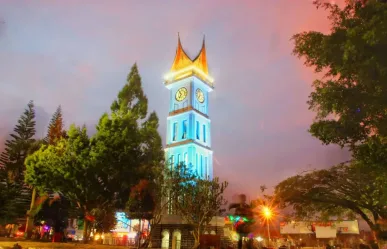
- Jam Gadang: An icon of Bukittinggi, it offers a beautiful view and a historic grand clock.
Enjoying the Charm of Nature:
- Sianok Gorge: A stunning valley with steep cliffs that offer stunning views.
Exploring Culture:
- Rumah Gadang: A unique and beautiful traditional Minangkabau house with distinctive architecture.
Tips and Preparations for Exploring Japanese Holes
To better enjoy exploring the Japanese Hole, you need to prepare a few things before you go.
Preparation Before Departure:
- Essential Equipment: Prepare comfortable and waterproof shoes, a flashlight or head lamp, and comfortable clothing.
- Food and Beverage: Bring some snacks and drinks to tide you over along the way.
- Additional Equipment: Bring personal medications if you have allergies or certain illnesses.
Tips for Exploring Japanese Holes:
- Always Be Careful: The Japanese tunnels consist of narrow and winding passages. Walk carefully and always be aware of your surroundings.
- Respect Historical Sites: Do not scribble on the tunnel walls or do anything that could damage the historical site.
- Utilize the Guide: If you want to know more about the history of the Japanese Hole, you can hire a local guide.
Amazing Stories: Unique Facts and Myths about the Japanese Hole
The Japanese hole is filled with amazing stories that add to the attraction of this place.
Unique Story:
- This tunnel is one of the important historical sites in Indonesia that tells the story of the Indonesian people's struggle against Japanese colonization..
Terrible Myths:
- It is said that inside the tunnels are the ghosts of fighters killed during the battle..
Exploring the Past: Itinerary and Tour Package Recommendations
Exploring Lobang Jepang will be an unforgettable experience. Here are recommended itineraries and tour packages that you can choose from:
1-Day Itinerary:
- Morning: Visit the Japanese Hole and explore its underground passages.
- Noon: Lunch at one of the typical Minangkabau restaurants.
- Afternoon: Visit Sianok Gorge and enjoy the beautiful scenery.
2-Day Tour Package:
- Day 1: Visit Lobang Jepang, Jam Gadang and Sianok Gorge.
- Day 2: Visit Rumah Gadang and the Adityawarman Museum.
Maintaining Sustainability: A Guide to Responsible Travel
Exploring the Japanese Hole is not just about enjoying its natural beauty and history, but also about preserving this place for future generations.
Tips for Responsible Travel:
- Keep it Clean: Do not litter. Take your trash back to the trash bins provided.
- Support Local Communities: Buy souvenirs from local vendors and interact with them respectfully.
- Protect Nature: Do not damage the vegetation and environment around the Japanese Hole.
Capturing the Moment: Instagramable Spots at Japanese Hole
Lobang Jepang offers various instagramable spots to upload your vacation photos.
Instagramable Spots:
- Entrance Gate: Take a photo with the Japanese soldier statue and entrance gate in the background.
- Main Hallway: Take a photo with the stunning backdrop of the main hallway of the Japanese Hole.
- Sianok Gorge: Take photos with the beautiful Sianok Gorge in the background.
Organizing a Budget: Costs and Budgets
Here's an estimate of the cost you'll need to visit Lobang Jepang Bukittinggi:
Cost Estimation:
- Transportation: IDR 50,000 - IDR 100,000 (depending on the type of transportation you use)
- Admission: IDR 10,000 per person
- Accommodation: IDR 100,000 - IDR 500,000 per night (depending on the type of accommodation you choose)
- Food: IDR 50,000 - IDR 100,000 per day (depending on the type of food you eat)
Let's Explore the Japanese Hole!
Lobang Jepang Bukittinggi offers a unique and unforgettable experience. Ready to explore the halls of time and discover the amazing story behind this place? Let's plan your trip now and enjoy an exciting adventure at Lobang Jepang Bukittinggi.