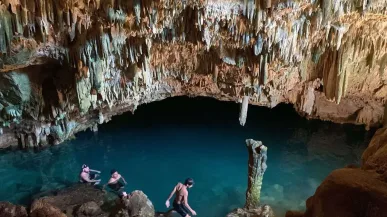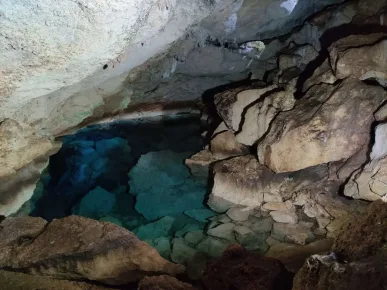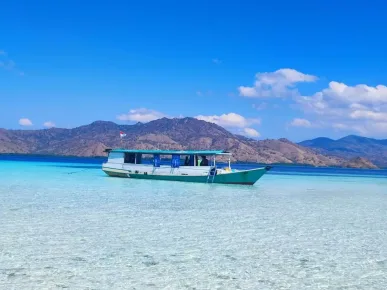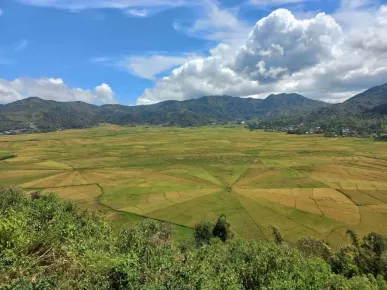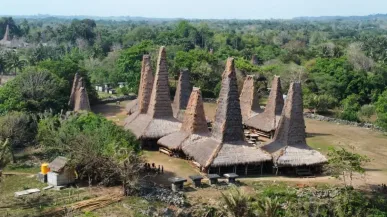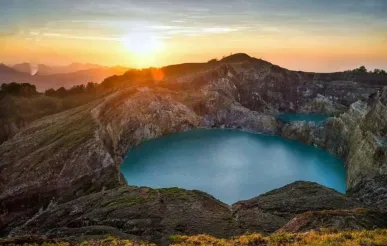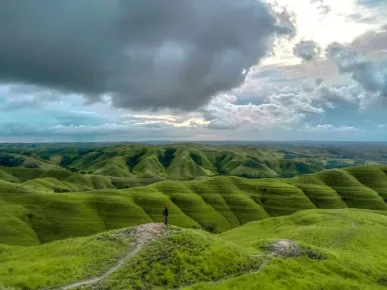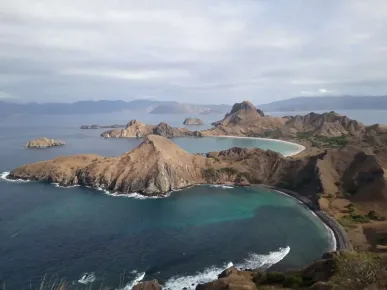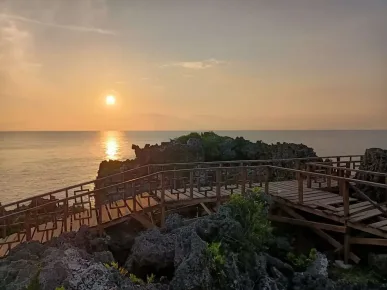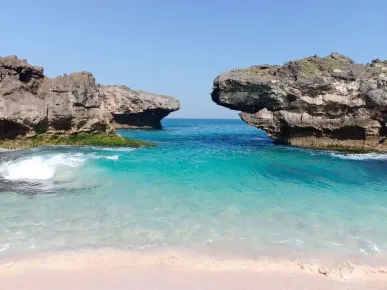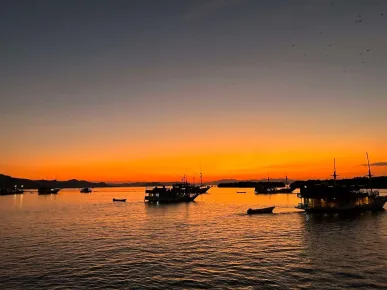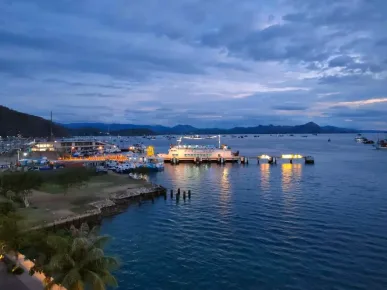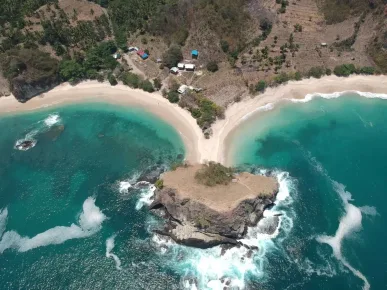
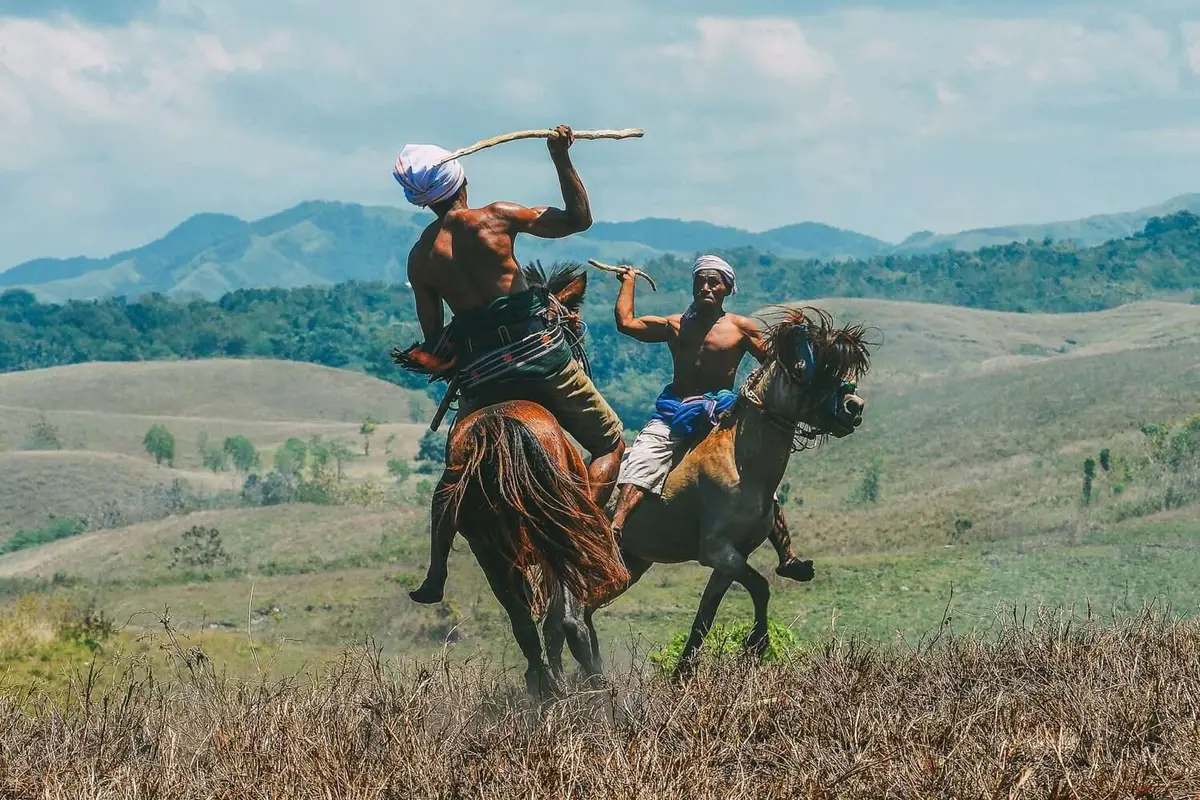
SumbaIt's a name that may still be unfamiliar to some people, but it holds an alluring natural and cultural beauty. An island in East Nusa TenggaraIndonesia, which promises an unforgettable adventure for explorers. Here, a vast expanse of savannah stretches out like a green carpet, combining with panoramic views of the clear blue sea. Mountains rise high, shading lush green valleys, and waterfalls captivate with their serene splashes. But Sumba is more than just an enchanting natural landscape. The island also holds unique cultural treasures, such as the Pasola tradition, a meaningful and magical simulated war ritual.
Sumba, with its uniqueness, has long captivated the hearts of travelers. From domestic travelers curious about its natural charms to foreign explorers fascinated by its ancestral culture. However, to truly experience the magic of Sumba, you need to explore its history, enjoy its unique culture and traditions, and discover hidden places that promise to bring peace of mind.
Ready to explore Sumba with me? Let's start this adventure by unveiling the mystery of the Pasola tradition and exploring the alluring beauty of Sumba!
Uncovering Sumba's History: Where the Pasola Tradition Originated

The Pasola tradition, a unique simulated war ritual, is a meaningful cultural heritage of Sumba.
The Origin of Pasola Tradition
The Pasola tradition, a unique simulated war ritual, is a meaningful cultural heritage of Sumba. The origin of this tradition is still a mystery, but there are several versions of the story circulating in Sumba. One version states that the Pasola tradition originated from animist beliefs, which is the belief in the spirits of ancestors.
It is said that this tradition is a form of respect to the ancestors and as a symbol of land and human fertility. Over time, the Pasola tradition has become an important part of the life of the people of Sumba, passed down from generation to generation. This ritual is an important moment for each tribe, as a place to strengthen inter-tribal relationships and foster a sense of unity.
The Folklore and Philosophy of Pasola Tradition
One of the folklores that developed in Sumba regarding the Pasola tradition is the story of two tribes in conflict with each other. The conflict led to a fierce battle, which claimed many lives.
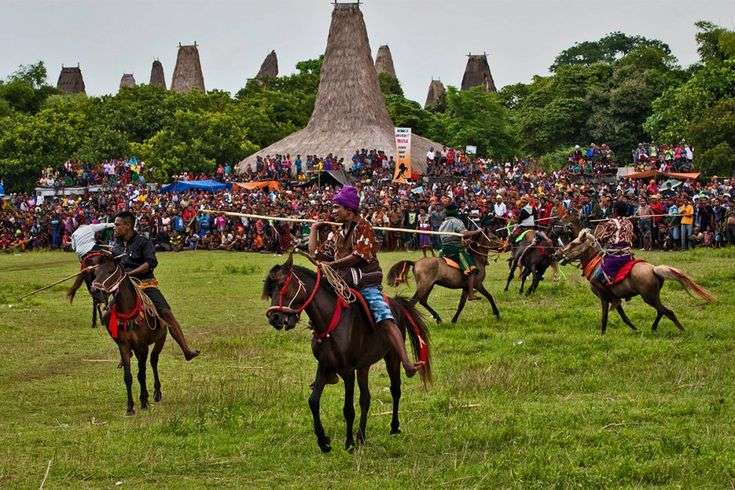
Over time, the two tribes realized the futility of fighting and agreed to resolve the conflict in a peaceful way. As a symbol of peace, they created the Pasola tradition. In this ritual, men from both tribes throw wooden javelins at each other, but not to cause harm. The ritual symbolizes peace and unity, and reminds both tribes of the costs of war.
The Pasola tradition is also full of philosophy. The wooden javelin used in this ritual symbolizes strength and courage.
In addition, the blood shed in this ritual is believed to be a symbol of fertility and hope for a bountiful harvest. The Pasola tradition is proof that the people of Sumba are able to embrace differences and build unity.
Exploring Sumba: Embracing Its Natural and Cultural Beauty
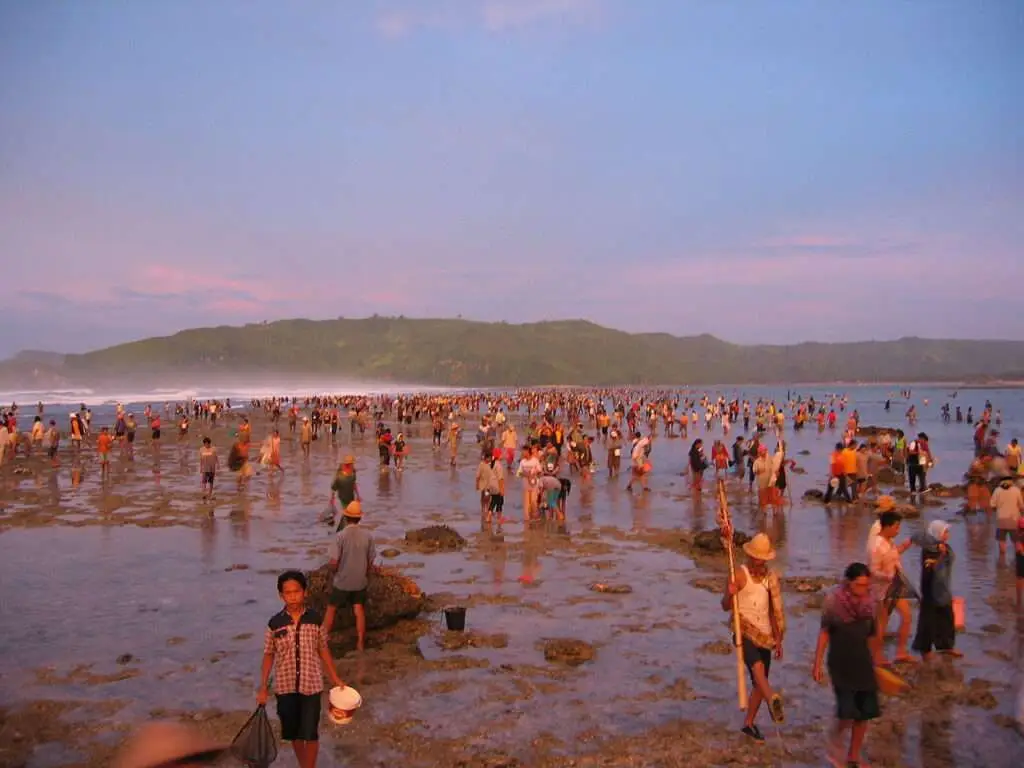
Destination Location and How to Reach
Sumba is located in East Nusa Tenggara, Indonesia, an island of stunning natural beauty. Sumba is accessible by air, with Umbu Mehang Kunda International Airport in Tambolaka as the main gateway.
Exploring Sumba: By Airplane
Umbu Mehang Kunda Airport in Tambolaka is the main airport in Sumba, serving flights from many major cities in Indonesia. You can fly directly from Jakarta, Denpasar or other major cities.
The airport serves flights from various airlines, such as Garuda Indonesia, Lion Air and Batik Air. After arriving at Umbu Mehang Kunda Airport, you can continue your journey to various destinations in Sumba using land transportation, such as cars, buses or motorcycle taxis.
Adventure in Sumba: By Boat
Sumba is also accessible by sea, although the travel time is relatively longer. You can take a ferry from ports in Lombok, Flores, or other islands in East Nusa Tenggara.
Adventuring Closer: Exploring Sumba by Car
If you want to feel the sensation of adventure and enjoy the beauty of Sumba to the fullest, you can rent a car. The roads in Sumba are challenging, with winding terrain and stunning scenery.
Car rental in Sumba is very easy, and you can find various rental agencies in the main cities such as Waingapu and Tambolaka. Car rentals in Sumba usually include a driver, so you can focus on enjoying your trip without worrying about driving yourself.
Best Time to Visit Sumba
The best time to visit Sumba is during the dry season, from May to October.
Sumba Adventure: Exploring Beauty with Sunny Weather
In the dry season, the weather in Sumba is relatively sunny and dry, making it ideal for outdoor adventures. You can enjoy the beauty of the beaches with clear sea water, explore the green savannah, and hike the mountains without worrying about getting caught in the rain.
Responding to the Rainy Season: Enjoy the Beauty of Sumba with Different Nuances
In the rainy season, which is from November to April, the weather in Sumba tends to be wet and cloudy. Despite the rain, Sumba's natural beauty remains enchanting.
Rain gives a different and refreshing feel, and you can enjoy the natural beauty of Sumba in a different way. However, it's best to prepare yourself by bringing appropriate gear for rainy weather, such as raincoats, umbrellas and waterproof shoes.
The Enchantment of Sumba: Reasons Why You Should Visit This Island
Sumba is an island that captivates with its stunning natural beauty, unique culture and preserved traditions.
Sumba: A Hidden Paradise in Eastern Indonesia
Sumba offers a variety of stunning tourist destinations, from charming white sand beaches to sprawling savannas.
Sumba: Uncovering the Secrets of a Rich Culture
Sumba is also rich in culture and tradition. You can witness traditional rituals such as the Pasola tradition, visit magnificent traditional houses, and enjoy traditional arts such as Sumba ikat weaving.
Sumba: A Destination that Promises Serenity
Aside from its natural and cultural beauty, Sumba also promises peace of mind. You can enjoy the tranquil rural atmosphere, interact with the friendly local people, and find peace amidst the enchanting nature.
Enjoying Sumba: Unique Activities and Experiences that await
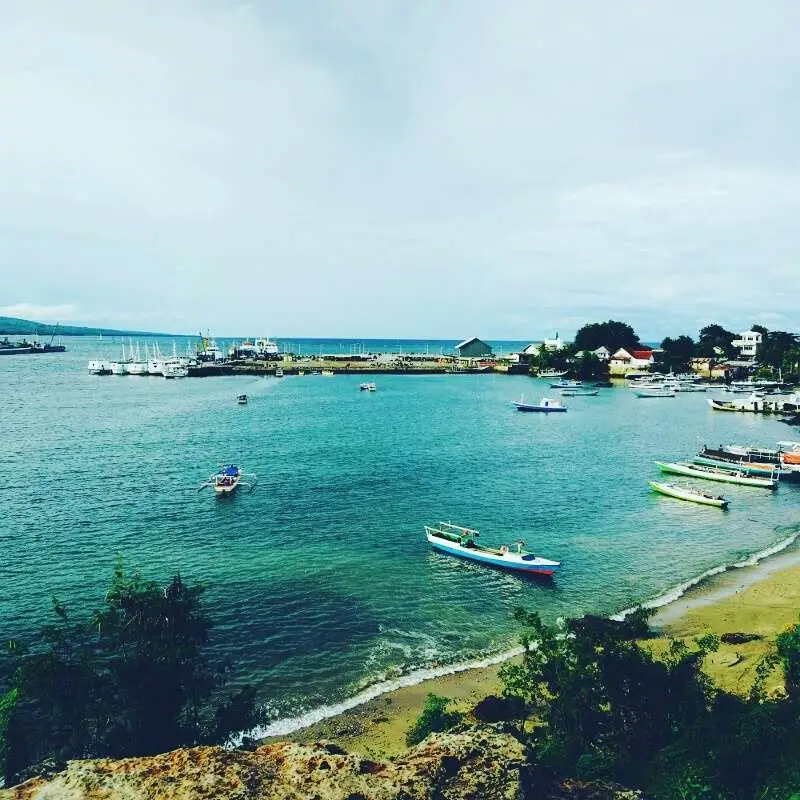
Sumba offers a range of unique activities and experiences for visitors. You can explore nature, experience culture and savor culinary specialties.
Exploring the Nature of Sumba: An Enchanting Adventure
Adventure in Sumba: Explore Amazing Beaches
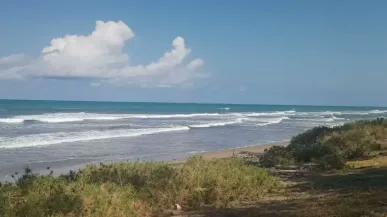
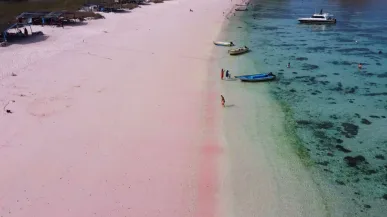
Sumba has stunning beaches with soft white sand and crystal clear waters.
Adventure in Sumba: Enjoy the Charm of the Stunning Savannah
Sumba has vast stretches of savannah, which is an ideal place for horse riding, cycling or simply enjoying the stunning scenery.
Adventuring in Sumba: Admiring the Enchanting Waterfalls
Sumba has breathtaking waterfalls, such as Wai Mangudu Waterfall and Lapopu Waterfall.
Experiencing Sumba Culture: An Unforgettable Experience
Witnessing Pasola Tradition: A Unique Simulated War Ritual
The Pasola tradition is one of the most famous traditional rituals in Sumba.
Visiting Sumba Traditional House: Magnificent Traditional Architecture
Sumba has unique and magnificent traditional houses, such as the Uma Lalang Traditional House.
Enjoying Sumba's Traditional Arts: Sumba's Alluring Ikat Weaving
Sumba ikat weaving is one of Sumba's famous cultural heritages.
Enjoying Sumba Culinary: An Exciting Journey of Flavor
Sumba has delicious and unique culinary specialties, such as:
Sumba Culinary: A Tempting Delicacy
- Se'i: Meat smoked with Sumba's signature spices.
- Maize Rat: Young corn that is boiled or grilled.
- Umbu: A typical Sumbanese vegetable that tastes sour and fresh.
- Karedok: Vegetable salad with peanut dressing.
- Goat Satay: Goat meat grilled and served with soy sauce.
Sumba Culinary: Finding Deliciousness in Every Corner
- Food Stalls: You can find simple food stalls in various places in Sumba, which serve Sumbanese specialties at affordable prices.
- Restaurant: For a more upscale meal, you can visit restaurants in the main cities such as Waingapu and Tambolaka.
- Traditional Restaurant: In some villages, you can find traditional restaurants serving Sumbanese specialties in an authentic atmosphere.
Exploring Sumba: A Cozy and Charming Place to Stay
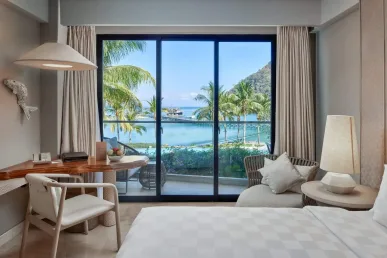
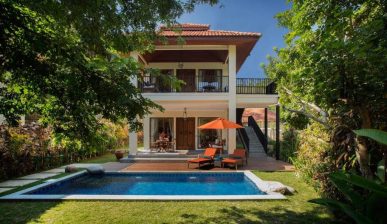
Sumba offers a wide range of comfortable and charming accommodation options, from four-star hotels to friendly homestays.
Stay in Sumba: Diverse Staying Options
Sumba offers a variety of accommodation options to suit your needs and budget.
Stay in Sumba: Budget and Comfortable Options
- Homestay: Homestays in Sumba offer an authentic experience at an affordable price. You can experience the hospitality of the local people and learn about the culture of Sumba more closely.
- Guest House: Guest houses in Sumba offer comfortable rooms at relatively cheap prices.
Stay in Sumba: Enjoying Luxury in the Heart of Nature
- Resort: Resorts in Sumba offer complete facilities, such as swimming pools, restaurants and spas.
- Four Star Hotel: This four-star hotel in Sumba offers professional service, comfortable rooms, and modern facilities.
Exploring Sumba: Alluring Natural Beauty and Other Points of Interest
Sumba offers a variety of other interesting attractions, apart from the Pasola tradition. You can explore Sumba's rich nature, culture and history.
Exploring Sumba: Adventures in Other Points of Interest
- Walakiri Beach: A beach with soft white sand and clear sea water.
- Mananga Aba Beach: A beach with turquoise waters and challenging waves.
- Prai Ijing Hill: A hill that offers stunning views of the savannah and the sea.
- Weekuri Lake: Freshwater lake with clear water and turquoise color.
Exploring Sumba: Discovering Cultural and Historical Heritage
- East Sumba Regional Museum: A museum that houses a collection of artifacts and cultural objects of Sumba.
- Dutch fort: A historic fort built by the Dutch during the colonial period.
Exploring Sumba: Tips and Preparations Before Visiting
Before visiting Sumba, there are a few things you need to consider to prepare for a smooth trip.
Exploring Sumba: Tips for a Memorable Trip
- Choose the right season: The best time to visit Sumba is during the dry season.
- Prepare the appropriate equipment: Bring comfortable, weather-appropriate clothing and outdoor adventure gear.
- Get to know the local culture: Sumba has a unique culture, so it's best to learn about the local culture before visiting.
- Prepare a sufficient budget: The cost of traveling to Sumba varies depending on your choice of accommodation and activities.
- Be friendly and polite: The people of Sumba are famous for their hospitality, so be friendly and polite to the locals.
Exploring Sumba: Interesting Facts and Myths
Sumba has a myriad of unique facts and interesting myths that add to the island's charm.
Exploring Sumba: Uncovering the Mystery and Uniqueness
- Pasola tradition: A unique simulated war ritual, as a symbol of fertility and peace.
- Traditional House: Sumba traditional houses have magnificent traditional architecture, with intricate carvings and deep symbolic meanings.
- Sumba Ikat Weaving: Sumba ikat weaving is famous for its intricate motifs and bright colors.
- Myth: Sumba has many myths and legends, such as myths about the origin of the island of Sumba, myths about ancestral spirits, and myths about magical powers.
Exploring Sumba: Plan an Unforgettable Journey
Sumba offers various itinerary options to make your trip easier.
Exploring Sumba: Plan an Enchanting Journey
- 1-Day Itinerary: Explore downtown Waingapu, visit the East Sumba Regional Museum, and enjoy typical Sumbanese cuisine.
- 2-Day Itinerary: Explore the beaches of Sumba, such as Walakiri Beach and Mananga Aba Beach.
- 3-Day Itinerary: Enjoy the natural beauty of Sumba, such as vast savannahs, waterfalls and captivating lakes.
Exploring Sumba: Travel Responsibly
Traveling responsibly is important to preserve Sumba's nature and culture.
Exploring Sumba: Let's Keep it Clean and Sustainable
- Keep it clean: Dispose of trash in its proper place, do not litter in nature.
- Support local communities: Buy local products, such as Sumba's woven ikat, and enjoy Sumba's culinary specialties at local food stalls or restaurants.
- Protect nature: Do not destroy nature, such as picking flowers or picking up stones in nature.
Exploring Sumba: Find the Best Photo Spots
Sumba offers a variety of beautiful photo spots to capture your travel moments.
Exploring Sumba: Capturing Unforgettable Moments
- Walakiri Beach: A photo spot with a stunning backdrop of savannah and sea.
- Prai Ijing Hill: A photo spot with expansive views of the savannah and sea.
- Wai Mangudu Waterfall: A photo spot with a charming waterfall in the background.
Exploring Sumba: Cost Estimation and Budget
The cost of a trip to Sumba varies depending on your choice of accommodation, transportation and activities.
Exploring Sumba: Managing Your Budget Wisely
- Transportation: Transportation costs from Jakarta to Sumba range from IDR 1,500,000 to IDR 2,500,000.
- Accommodation: Accommodation costs in Sumba range from IDR 300,000 to IDR 1,500,000 per night.
- Food: Meals in Sumba cost between IDR 50,000 and IDR 150,000 per day.
- Activities: Activity fees in Sumba vary depending on your choice of activities, such as horse riding, cycling or visiting attractions.
Sumba: An Island that Captivates the Heart
Sumba is an island that captivates with its stunning natural beauty, unique culture and preserved traditions.
Start your Sumba adventure now! Explore its breathtaking natural beauty, experience its rich culture, and savor its delicious culinary specialties. Sumba is waiting to be explored, and who knows, maybe you'll find the most beautiful place in your heart in Sumba.
Meta Description: