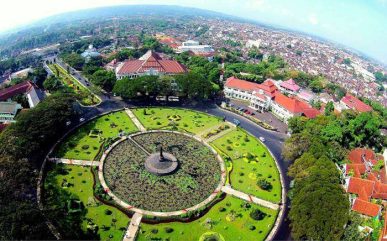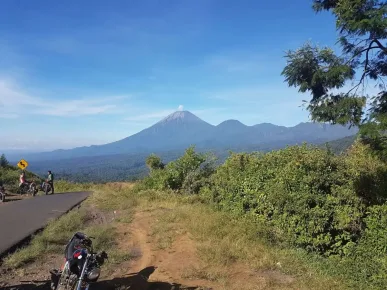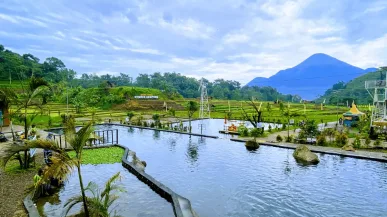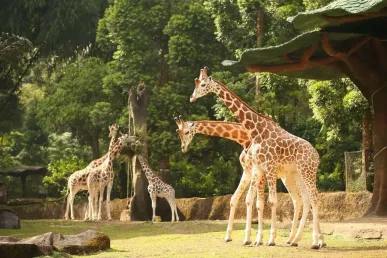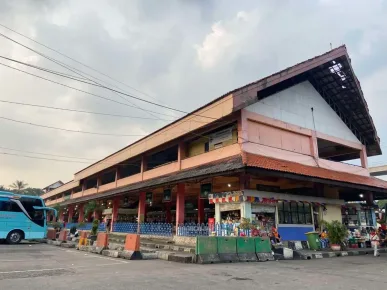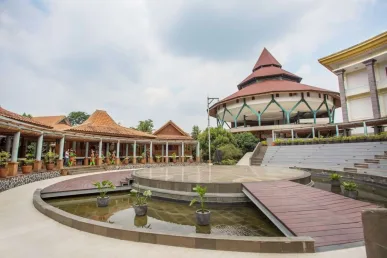
On the cool slopes Mount Arjuno, Prigen Safari Park transforms into an outdoor learning landscape that combines conservation, recreation and adventure. Located approximately 50 km from Surabaya and 45 km from Malang, a stylized zoo drive-through It stands at ±800m above sea level and covers an area of approximately 350 hectares, making it one of the largest safari parks in Asia. Here, visitors traverse continent-by-continent zones, from the African savannah to the Asian jungle, to say hello to animals that roam as they would in their natural habitat. The daily rhythm of Prigen is leisurely, the cool mountain air, light morning mist, and gurgling pine breeze creating an ideal setting for families and ecotourism learners alike.
Besides the iconic safari route, Safari Park Prigen continues to enrich the experience through a variety of thematic rides. Favorite zones such as Recreation Area, Baby Zoo, Aquatic Land, and Zona Australiana Prigen offers animal interactions that are educationally curated, without losing the fun element. You can move from educational attractions to family games, or simply take a break at some of the culinary spots within the area. It is this combination that makes Prigen not just a "zoo" in the narrow sense, but a learning space for all ages, with a team of educators and animal handlers overseeing every moment to keep it safe, informative and fun.
In terms of visit planning, regular tickets are often in the range of Rp145,000-Rp200,000 (depending on the day/category), while activity options add-on and bundling available on authorized channels and partners. As prices and show schedules are subject to change, please make it a habit to check the following page booking official website, including maps, routes and operational info, or contact the official WhatsApp for updates. This way, you can adjust the flow of your visit, such as arriving early to avoid queues and maximize animal interaction sessions.
Dive into the Uniqueness and Animal Zone
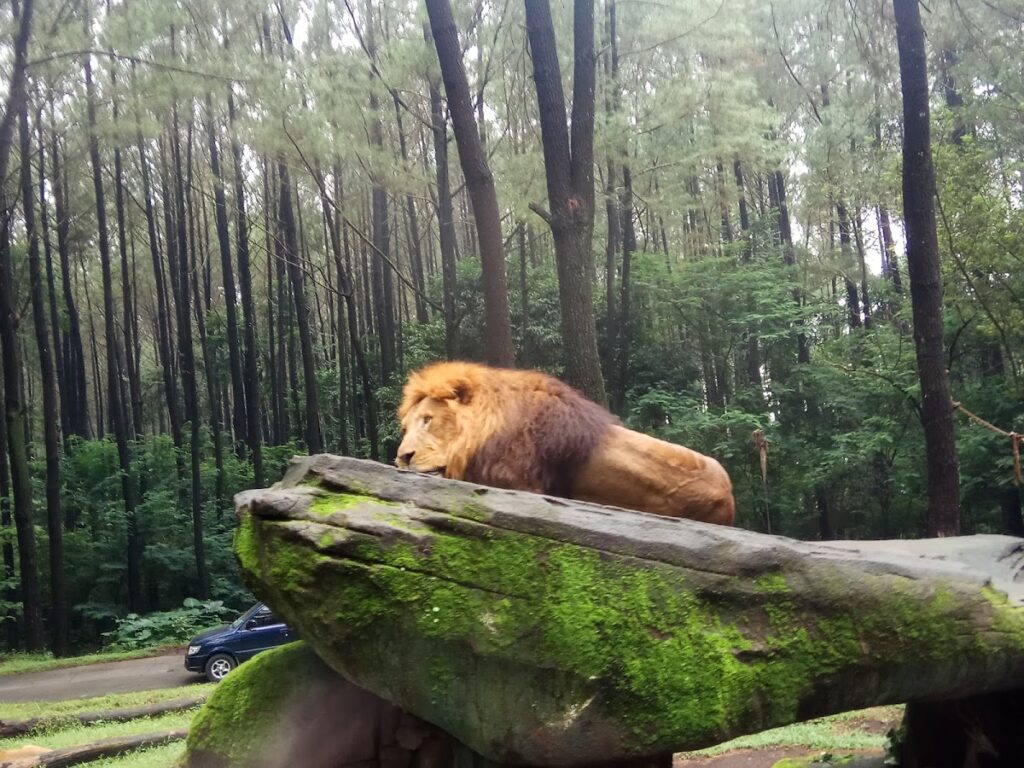
Face Prigen Safari Park The most alluring comes through the division of zones, Africa, Asia, to the Europe/America region, which can be traversed by self-drive or ride internal rides. Seamless habitat transitions help visitors understand the ecological context of the animals, from movement patterns to feeding behavior. Off the main route, areas such as Baby Zoo, Aquatic Land, and Zona Australiana enrich the variety of family activities: feed the tame animals, watch the keeper talk, or play in the water. The key is pacing. Pace your visit so that each family member has time to ask questions, observe and rest. This way, your trip is not just a photo marathon, but a memorable field trip.
Safari Adventure
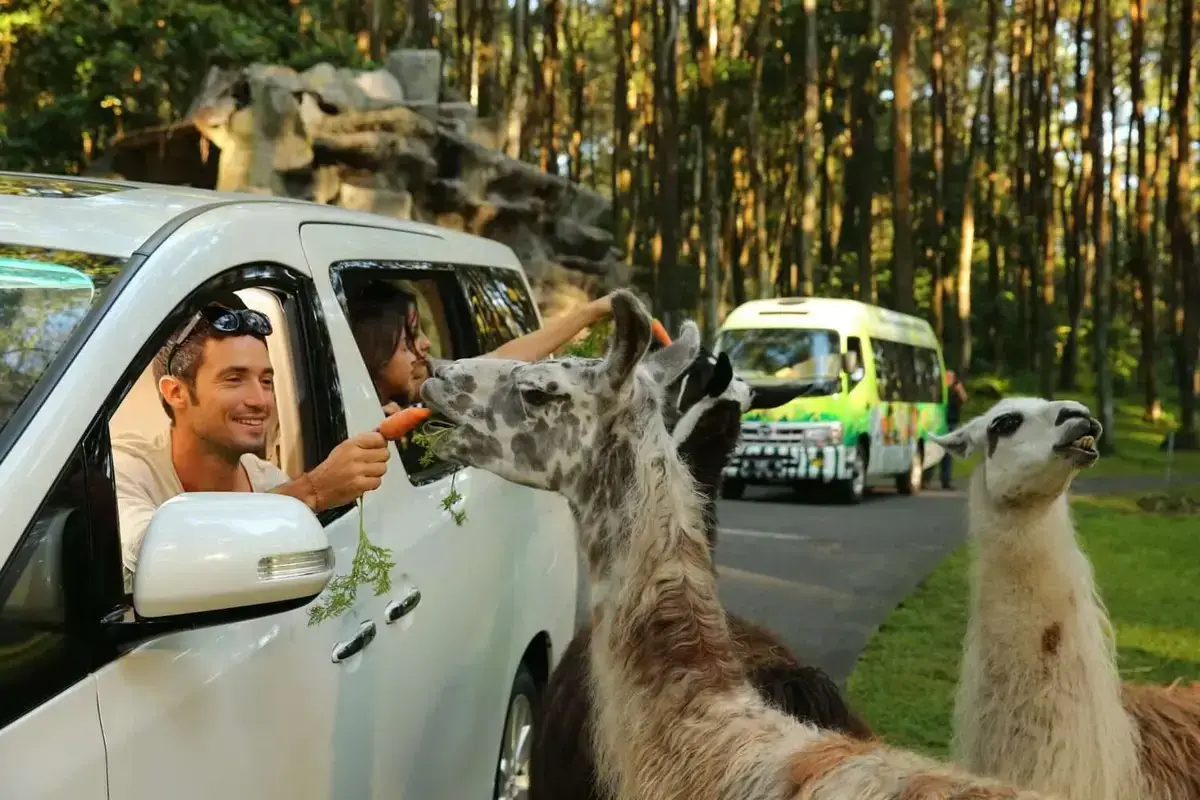
Safari Adventure is the heart of the Prigen experience. You pass by private cars or special vehicles through the organized herbivore and carnivore zones, zebras amble by, bison stare curiously, while in the predator zone all windows must be tightly closed. Format drive-through this gives a unique perspective: Instead of staring into a cage, you "step" into the animal's habitat. My advice is to arrive early so that traffic on the safari route is lighter and the animals are more likely to be active. Have a camera with a normal lens ready; don't bait the animals at random, obey the handler's instructions and the signage at every corner.
- Ethics on the Safari Trail Avoid littering and do not feed in prohibited zones, as unmeasured nutrients can impact animal health. When passing through carnivore areas, lock doors, close windows and turn off spotlights to avoid triggering stress. In the herbivore zone, follow a safe distance; despite appearing docile, large animals still have unpredictable instincts. Use low gear when going uphill and keep an eye on the maximum speed according to the signs. If you want to stop to observe, make sure not to obstruct vehicles behind. This simple ethic maintains mutual safety and ensures that animal behavior remains natural, so that behavioral research and visitor education are both maintained. Completed.
Baby Zoo
Area Baby Zoo brings families, especially children, together with domestic and wild animals that have been curated for educational interactions. It's an ideal space to teach animal empathy and literacy: the right way to hold an animal, the right portion of food, and hand hygiene after activities. Staff usually give a brief explanation of the species, origin and behavior, so each session is more than just a selfie. Come in the morning or early afternoon when the queue is still friendly, and guide your children to understand the difference between "petting" and "forcing" an animal, for the comfort of both parties.
- Learning Through Interaction Use feeding time as an entry point for dialog: where the animal comes from, what it feeds on, how the food chain works. Ask the keeper about daily behaviors, such as active time, communication methods, and survival strategies. Follow up with hygienic habits: wash your hands with soap, don't touch your face until it's clean, and spray your face with hand sanitizer. hand sanitizer after the session. This experience can be followed up at home through children's books or science videos, making the visit a mini curriculum that connects with biology and geography lessons at school. Completed.
Zona Australiana
Zona Australiana introduces the distinctive character of Australian fauna: from kangaroos to unique birds. The spacious layout allows visitors to observe the natural movements of the animals without overcrowding. Here, educators often emphasize adaptation, marsupial pouches, feeding strategies and bushland ecology. If you're with school-age children, encourage them to note differences in tooth and nail shape as a reflection of feeding habits and habitat type. It's a fun way to link scientific theories with real objects in front of your eyes.
- Simple Observation Notes Prepare a small notebook. Write down observed behaviors, weather, and animal interactions with the environment. Ask children to draw postures or footprints and match them with the interpretation board information. Besides strengthening memory, this habit trains ecological empathy: we understand animals as individuals with needs for space and quiet. Conclude with a brief discussion: what are the most striking differences between the Asian or African animals seen on the safari route? This method is effective in fostering scientific curiosity while still being fun. Completed.
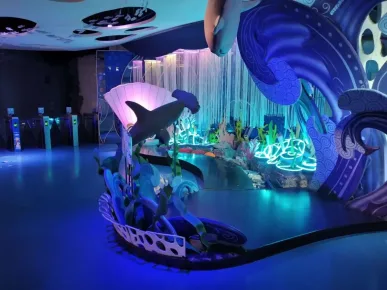
Aquatic Land & Water World Safari
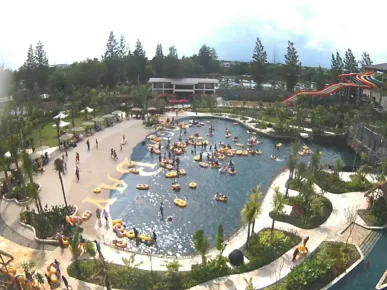
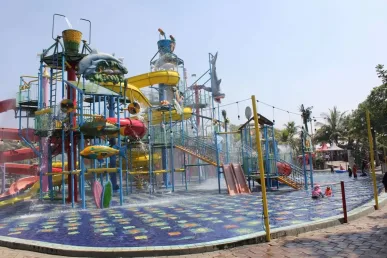
Need a break from the busy route? Aquatic Land and Safari Water World offers a family water play area. Children can channel their energy while still learning about aquatic animal adaptations through light educational elements around the rides. Allow 60-90 minutes; enough time to refresh your body without compromising on the animal show schedule. Remember to bring a change of clothes, non-slip slippers and a waterproof bag for a smooth transition to other areas.
- Playtime Strategy Come to the water park when the sun is warm, around midday, after the safari route is over. This is a good time to lower the intensity of physical activity and avoid peak queues. Set a time limit to avoid exhaustion; use an ID bracelet for safety. After playing, direct the family to a shaded zone for rehydration and a healthy snack before moving on to the next show. With this time management, your visit feels proportional: enough adventure, enough education and enough rest. Completed.
Shows, Rides and Night Experiences

Outside the animal zone, the rhythm of your day is dictated by your schedule Animal Presentation, Education Showand various recreational rides. Shows are curated to convey conservation messages and natural animal behavior through safe demonstrations. For those who enjoy a different atmosphere, Night Safari brings a new perspective to nocturnal activities. Complete with family games at Joyful Zone or challenge your adrenaline through ATV Adventure. To catch up, mark showtime prioritize on the map and build an efficient route, such as moving sequentially between venues.
Animal Presentation & Education Show
Animal Presentation and Education Show gives scientific context to what you see on the safari route. The team of educators explain natural behaviors, food requirements and conservation challenges, delivered in an interactive way that is easy for children to digest. Don't miss the Q&A session; ask specific questions, such as the impact of habitat fragmentation or captive breeding programs. Document key points to discuss again after the park, so the conservation message doesn't stop on stage.
- Designing Schedule-Based Routes Take a photo of the show schedule at the beginning of the entry, then sort the venues according to the time of performance. Insert a 10-15 minute break between venues to walk around and use the restroom. If traveling with elderly/young children, choose edge seats for easy entry and exit without disturbing other audience members. Bring a refillable water bottle and light snacks; stay quiet during the presentation so that animals are not distracted. With this little planning, you can fully absorb the educational material without rushing. Completed.
Night Safari
Night Safari expose the other side of the park when nocturnal animal activity increases. You usually ride road train with the guide, then close the night with a performance fire or a spectacular light dance. This experience is suitable for families who want variety from daytime excursions. Make sure children are well-rested and dress warmly as temperatures on the mountainside can plummet. Tickets night journey often limited release; check availability early.
- Tips for Enjoying the Night Arrive 30 minutes before departure for processing check-in and safety briefing. Avoid using flashes or bright flashlights, the harsh light can distract the animals. Set your camera's ISO higher, use a stabilizer, and prioritize enjoying the moment over over recording. After the main activity, head to the culinary area for a warm drink before heading back to the hotel. This way, the night experience is intimate, safe and still animal-friendly. Completed.
Joyful Zone & Recreation Rides
at Joyful ZoneIn this zone, families find breaks in play, from light rides for children to adrenaline-pumping games. Position this zone as a "cushion" between educational blocks, to keep children enthusiastic without cognitive fatigue. Choose height/age-appropriate attractions and double-check safety requirements. Often, rides are located near eating areas; take this opportunity to hydrate and have a healthy snack before continuing the show agenda.
- Family Energy Management Apply the 90-20 pattern: about 90 minutes of activity/observation followed by 20 minutes of active rest in light rides or shaded areas. This strategy keeps children in the mood and focused for the next educational session. Avoid long lines at peak times; substitute with a quiet attraction, then return when it subsides. Note the location of public facilities (toilets, prayer rooms, breastfeeding rooms) for a comfortable transition. Completed.
ATV Adventure
Need an extra thrill? ATV Adventure takes you on a ±3.5km trek on the foot of the Mount Arjuno. The dirt road, tight turns and up-and-down contours provide an exercise in hand-eye coordination while pumping up the adrenaline. Be sure to follow the instructor's instructions, wear a helmet and knee protection, and observe the speed limit. This activity is popular with teenagers and adults; for families with young children, make it the end of the day after the education block to keep the rhythm of the visit balanced.{index=13}
- Safety & Environment Choose closed shoes with strong soles, tighten the laces before riding. When passing near vegetation, keep a distance to avoid damaging bushes. Avoid accelerating in dusty areas to prevent particulate pollution; wear protective eyewear. If it rains, pay attention to potential skidding, follow line instructor and keep the throttle smooth. After finishing, do some light stretching to prevent soreness. Completed.
Staying, Culinary, and Practical Info
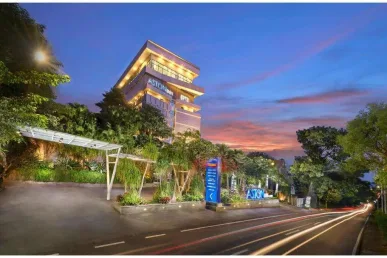
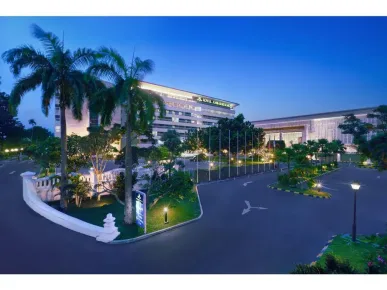
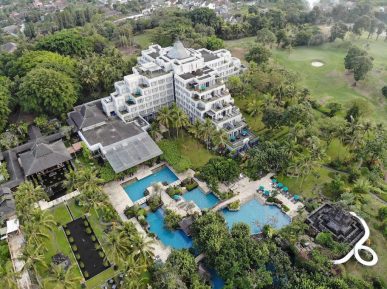
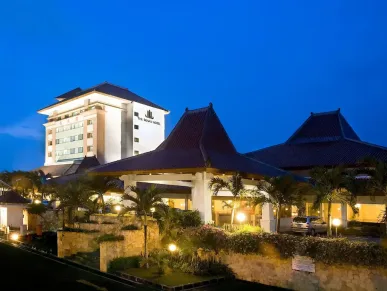
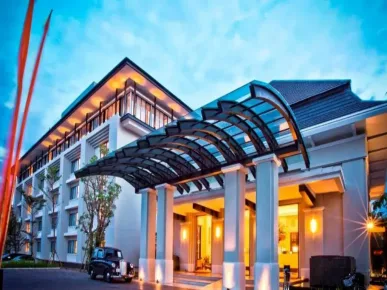
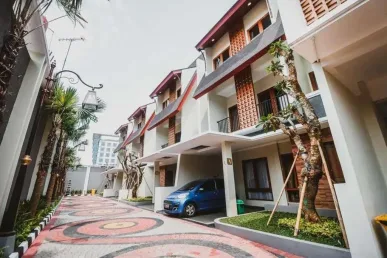
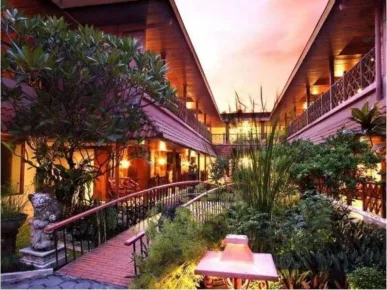
Extending a day visit into an overnight stay makes perfect sense in Prigen. Top choices are Baobab Safari Resort blending into the animal landscape, staying here means waking up to zebras and giraffes on the grasslands in front of your balcony. Plus, the availability of several food outlets within the park makes it easy to manage the family's energy between safaris and shows. Before you go, finalize your plan: basic tickets, options add-on such as breakfast with the giraffes, as well as priority show schedules. Keep an official contact in case you need help on-site.
Baobab Safari Resort
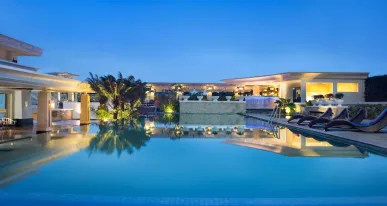
Baobab Safari Resort is an African-themed accommodation located right in the area of Prigen Safari Park. Almost all rooms have balconies overlooking the wildlife, providing a unique "sleeping next to the wild" experience. Another plus point: on-site restaurant, swimming pool, airport transfer paid, and free parking. As for prices, online publications show wide variations depending on the date; some platforms note starting at ±US$40 per night in certain periods, while averages can be in the range of ±US$90-100. The location just steps away from the park gates makes it very practical for families with young children.
- Why Choose Baobab? First, locationFirstly: sleeping-waking in the middle of the wilderness cuts the duration of daily trips and maximizes exploration time. Second, valueSecondly, there's a variety of rates: the variety of rates allows you to customize your budget, from value promotions to family packages. Third, uniquenessThe balcony overlooking the giraffes/zebras provides a sensory experience that no city hotel can match. Fourth, Practical: dining facilities, pools, to shuttle makes it easy for multi-generational families. If you prioritize thematic experiences and efficiency, this is the best base to stay in Prigen. Completed.
Breakfast with Giraffe
The most sought-after activity in Baobab Safari Resort is Breakfast with Giraffe. In a limited morning session, guests enjoy breakfast on a wooden deck while feeding naturally approaching giraffes, a safe, photogenic and educational experience. Due to the tight quota and short schedule (early morning), advance booking is highly recommended. Some reports suggest per-person package prices can run into the millions of rupiah, depending on the latest policy; check official channels when planning.
- Manners of Interaction Wash your hands before and after, follow feed doses from staff, and avoid sudden movements near the animal's head. Keep small items (glasses, hats) from falling into the cage. When taking pictures, prioritize the animal's comfort: do not pull, touch excessively, or force poses. Remember, the point of this activity is education, fostering respect for protected wildlife. Completed.
Culinary & F&B Outlet
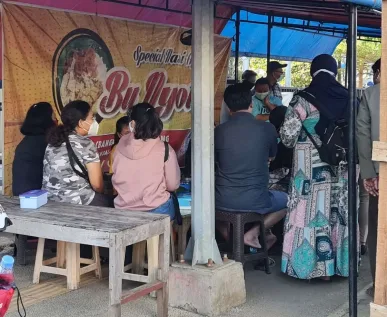
Inside Prigen Safari Park there are a number of food outlets that make it easy to take a break between safaris and shows. The variety is family-friendly: from kid-friendly fast-food options to menus that warm the body in the mountain air. The strategy: choose a meal time outside peak hours (e.g. before 12:00 or after 13:30) to avoid queues. Also provide healthy fruit/snacks to keep your kids energized throughout the day.
- Efficient Meal Plan Mark F&B locations on the map from the start. Combine eating with zone hopping to keep the route efficient. If traveling in a group, send one person to order first while the others look for a table. Use refillable water bottles to reduce plastic waste, in line with the spirit of conservation. Completed.
Tickets, Operating Hours & Map
The range of regular tickets is often at Rp145,000-Rp200,000 per person, while add-on (e.g. Night Safari or special activities) have their own prices. For accuracy of show schedules and up-to-date maps, refer to official channels Prigen Safari Park or a trusted ticketing partner. Also keep the official WhatsApp number for urgent inquiries, starting from lost & found to requests for assistance on site.
- The most convenient way to buy Book online before the D-day to avoid queues and open up opportunities for promo prices. After the transaction, save QR code and ID cards in an easily accessible place. Arrive early on weekends/holidays to have breathing space in case of congestion. Completed.