Ubud Agrotourism, Bali
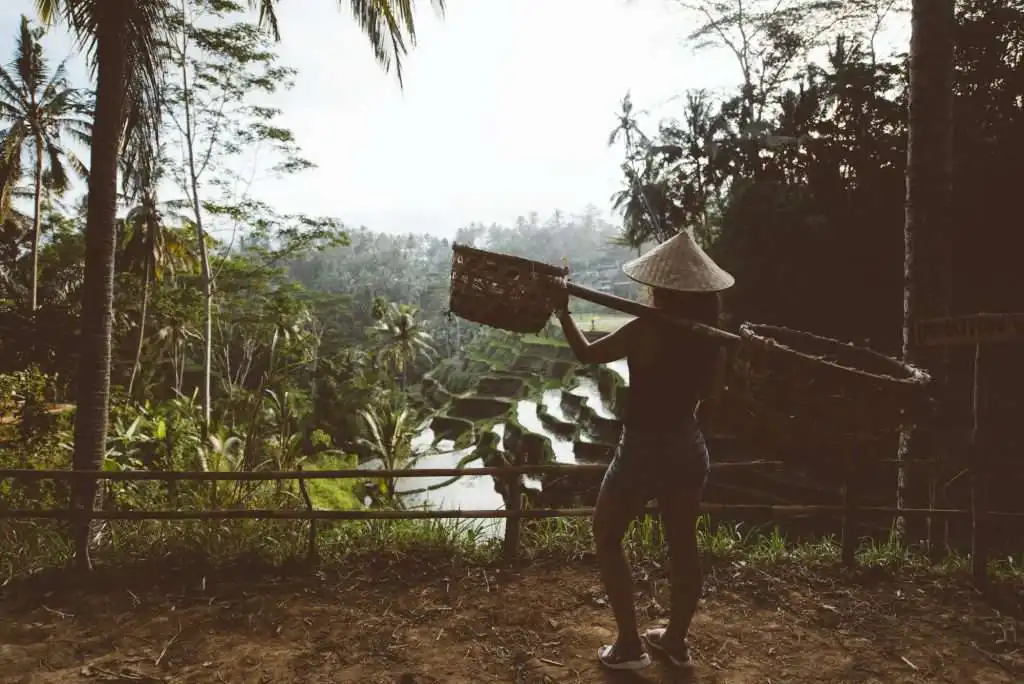
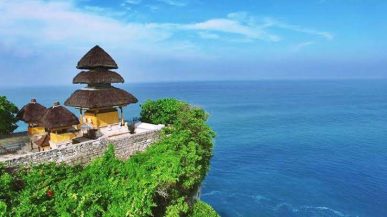
As in every country in the world, more people are flocking to the most touristy areas in the world. bali Ubud is known for its beautiful beaches and majestic temples, but its agro-tourism scene is a hidden gem for travelers - a quieter, more immersive experience that will make you feel closer to the island's agricultural heritage. Travelers in Ubud can visit beautiful rice fields, participate in their traditional farming and enjoy fresh, locally grown food. This type of tourism, which encompasses the beauty of natural landscapes baliIt also encourages tourists to practice the culture, Bonaparte.
History of Ubud Agritourism
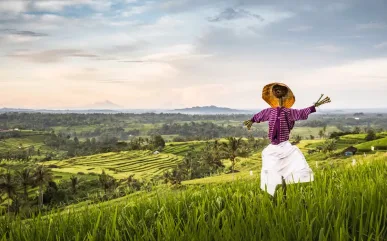
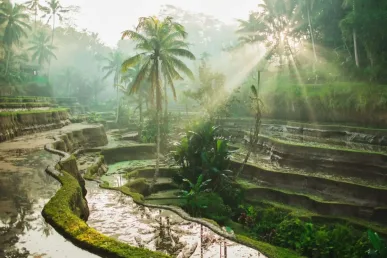
For decades, Bali's agriculture and cultural identity centered on rice farming. On the way to Ubud, agritourism has taken shape as a new way for visitors to learn about this agricultural heritage in the lush landscape of Ubud. A form of tourism that allows visitors to experience traditional farming methods firsthand in the terraced rice fields with beautiful scenery that Ubud is famous for. These beautiful rice fields are not only one of the most beautiful places in the world, but also a living classroom, where tourists can learn about the intricacies of the rice harvesting process in the rice fields and last but not least, why these rice fields are so important to the local community.
What to See and Do in Ubud
Ubud's unique agritourism stands out from typical ecotourism, showcasing Balinese tradition and culture. Visitors can actively engage with the local lifestyle through guided tours of organic coffee plantations, learning about coffee production and preparation. They can also take part in Balinese cuisine classes, cooking delicious dishes with fresh local ingredients. In addition, participants can also take part in a rice planting ceremony, which deals with traditional practices. This experience not only highlights the natural beauty of Ubud, but also reveals its rich culture and history.
Why Go to Ubud?
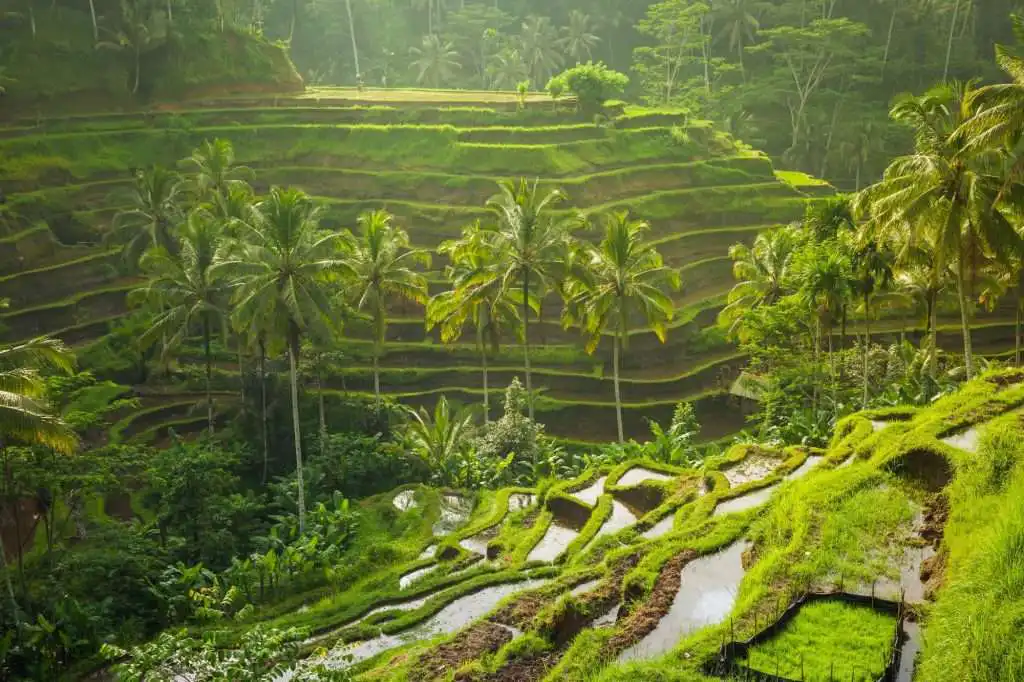
Aside from its warmth and peacefulness that tugs at the heartstrings of everyone who visits Ubud, it also presents a unique and sustainable travel experience that is perfect for eco-conscious travelers who want to create a positive footprint in their destination without having to sacrifice their vacation. Make sure you don't miss the stunning UNESCO-recognized Tegalalang Rice Terraces, which feature beautiful scenery and traditional farming methods. While you're there, enjoy a farm-to-table meal at a local organic restaurant that focuses on using fresh, non-GM ingredients for the best authentic Balinese flavors while ensuring that the community remains sustainable.
Activities in Ubud
Rice harvesting is fascinating and culturally rich and visitors can join local farmers to participate directly in rice farming, learning about the traditional techniques of growing rice. In addition, they can also enter into the world of traditional crafts, joining workshops that allow them to create unique pieces, learning more about local artistry. In addition, tours to organic farms give visitors the opportunity to discover organic farming practices and eat fresh produce straight from the plants.

Ayung River rafting is an excellent choice for those looking for an adventure that offers great rapids and breathtaking views. For a true coffee experience, coffee lovers should visit the Coffee Plantation. bali Pulina, where they will learn about the process of processing delicate coffee beans into a cup of coffee and taste some of the best local coffee blends. In general, Ubud has all the activities for those who love to go for cultural exposure and those who love adventure all on one plate.
Accommodation near Ubud
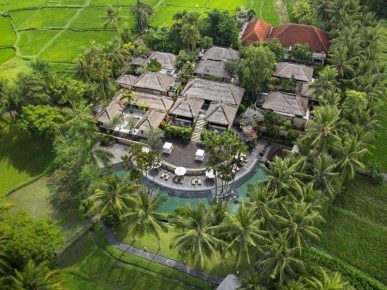
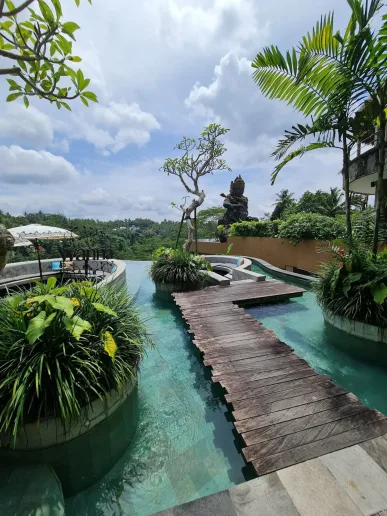
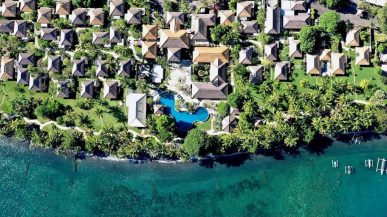
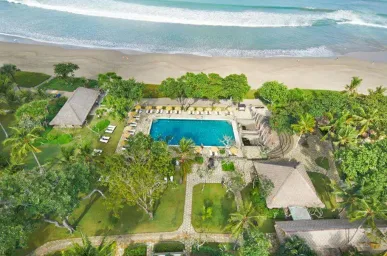
The area abounds with boutique inns and lodges, such as eco-lodges. In terms of tranquil and clean environments, Adiwana Bee House and Bambu Indah Eco Resort are two of the most notable examples, with the former devoted to providing its guests with a tranquil and clean environment, while the latter is fully committed to sustainability by using organically reared farms and zero-waste principles.
- Beehouse Dijiwa Ubud
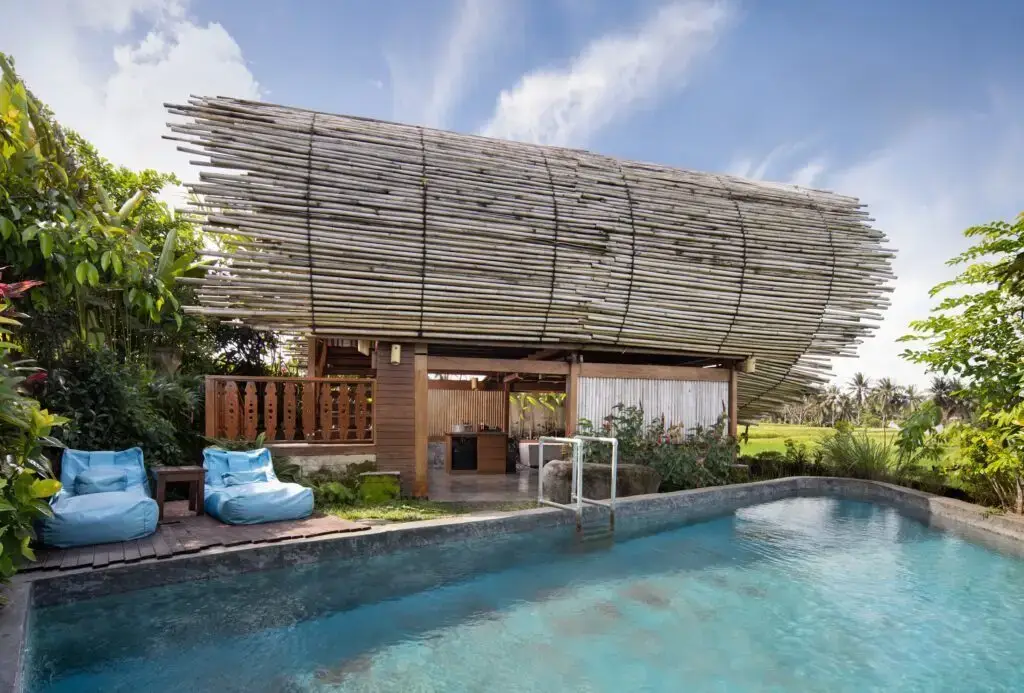
Meta data: Google, Image may be copyrighted. Located in a beautiful natural environment, Adiwana Bee House offers a unique stay with its honeycomb architecture and shape. Natural materials are used to build each room and there are also eco-friendly facilities. In addition, it also offers education on the value of nature conservation and supports the local community with the use of local products.
- Bambu Indah Eco Resort
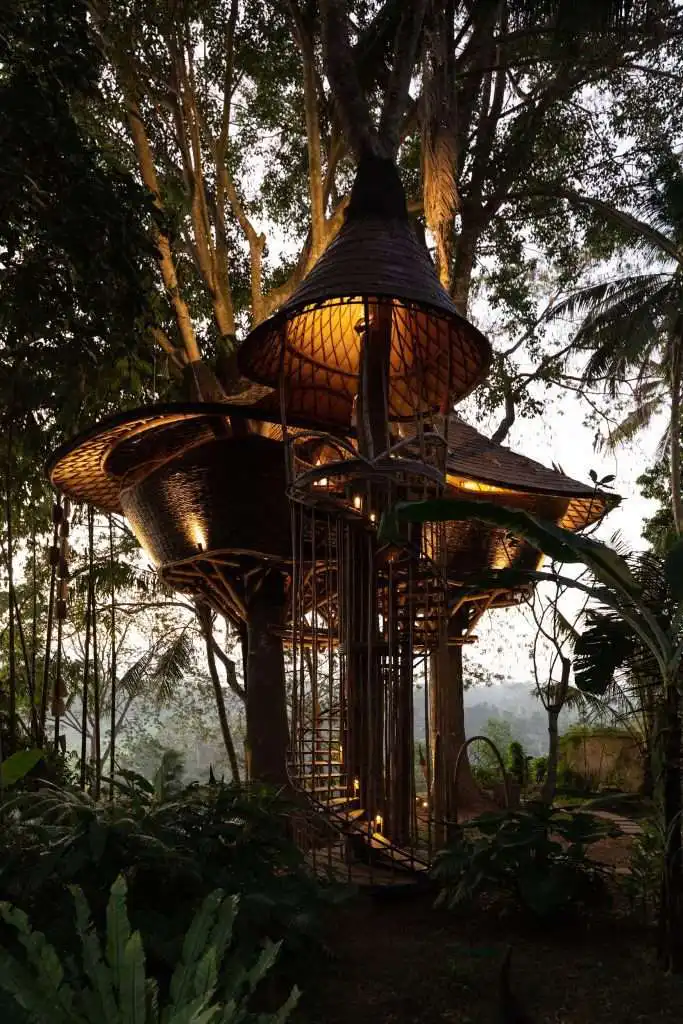
Meta data: Google, Images may be copyrighted. Bambu Indah Eco Resort is known as one of the pioneers of eco-friendly accommodation in Ubud. The resort is built with bamboo and recycled materials with good interaction with nature. A sophisticated waste management system is implemented with high practices in organic gardening with minimal environmental impact.
Both provide comfortable accommodation and integrate sustainability into their daily business practices. They demonstrate this by choosing eco-friendly building materials and organic farming practices. In addition, they also provide education and support programs for local communities to raise awareness of nature and the importance of natural ecosystems. Guests can get closer to nature at these places with modern amenities.
Points of Interest Around Ubud
In Ubud, there are several interesting places to visit. The main attraction is the Ubud Monkey Forest, which is filled with greenery and inhabited by mischievous monkeys. You can also visit Tirta Empul Temple, a holy water temple with purification springs. If you're feeling adventurous, don't miss seeing the sunrise at Mount Batur, offering breathtaking views. All of these showcase Ubud's unforgettable natural beauty and cultural heritage.
- Ubud Monkey Forest
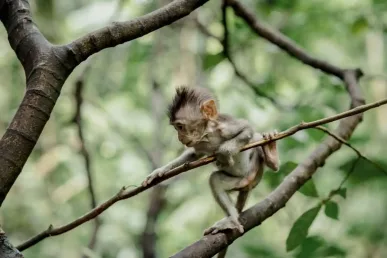
The Ubud Monkey Forest, also called the Sacred Monkey Forest Sanctuary is a famous tourist spot in Ubud, but interestingly, it also plays an important role as a spiritual, economic and educational center within the village. In addition, it is home to many Balinese long-tailed monkeys. Ancient temples and moss-covered statues represent Indonesia's rich cultural heritage, you are literally walking through a lush jungle. - Tirta Empul Temple
Its holy spring, known as Pura Tirta Empul, is used by locals and tourists alike to purify themselves. Nearby are tranquil grounds, lush greenery and a temple complex that dates back to 962 AD. You can participate in or observe traditional bathing rituals, which are thought to cleanse the body and soul.
- Mount Batur
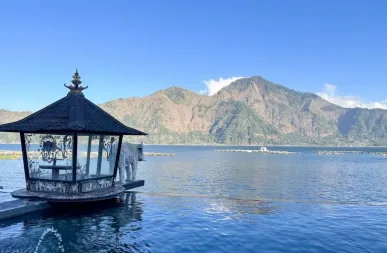
An early morning hike to Mount Batur, for rock climbers and extreme mountain enthusiasts, is an essential experience. The panoramic views are breathtaking of the surrounding landscape with the sun rising as the active volcano reveals itself. The hike is relatively easy and takes about two hours to the summit. When you get to the top, you will be treated to views of Lake Batur and the surrounding mountains. - Tegalalang Rice Terrace
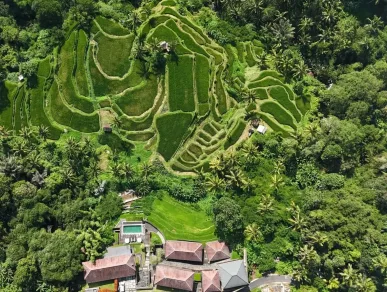
Rice fields with the famous subak irrigation system, one of which is Tegalalang Rice Terrace. These terraces provide the perfect scenery for photography and allow visitors to see the island's agricultural traditions. - Elephant Cave
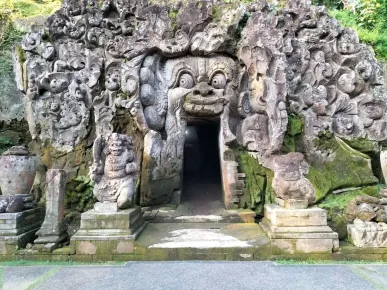
Goa Gajah is an archaeological site of great historical value, just a few minutes away from Ubud. Instead of being carved, the cave entrance is carved with eerie faces designed to ward off evil spirits. Stone wall carvings and meditation areas painted by monks in ancient times can be explored inside the cave. - Ubud Art Market
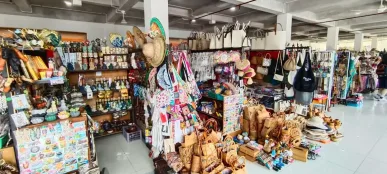
is a hub of its own, a market full of handicrafts and souvenirs dominated by local handicrafts. Woven bags, silk scarves, wood carvings and other handcrafted items are some of the things that can be found here. A great place to experience the local culture, and, actually have something rather unique to shop for.
Ubud Bali has no shortage of things to do, bringing together serenity and adventure in equal measure, each of these locations provides a different take on Balinese culture, nature and spirituality, preparing you to leave Ubud with memories to last a lifetime.