
Development ecotourism Indonesia have skyrocketed in recent years, and that's good news because more and more people want to vacation while taking care of nature. But let's be honest, not all places that are promoted as "eco" actually have a good impact on the environment or local people. Some destinations are so overrated because it's too crowded, the activities aren't nature-friendly, or it's just selling a label without any real practice. As a result, your experience feels rushed, your photos look full of people, and your contribution to conservation is minimal. So that your vacation doesn't end in regret, this article reviews 10 places that are often perceived as green but are actually not right for your sustainable mission. Don't worry, we're not just being "snarky", because at every point there's a wiser, quieter, higher-quality alternative. Prepare your notes, check your budget, and let's choose experiences that are truly meaningful for the earth and your wallet.
If you've ever been to a popular destination and felt like the activities were all the same, chances are you're stuck on a mass tour package that doesn't take into account the carrying capacity of the location. For example, long queues to get a photo in one spot, or tours that bring large groups with loud music and disposable bottle waste. In fact, the spirit of ecotourism It should be slow, respect the rhythms of nature, and give space to local communities. Which is often forgotten, greenwashing can be disguised through sweet terms like eco tour, zero waste, or plastic-freeBut there is no education on the ground, no conservation contribution, and little involvement of local workers. By understanding these signs, you can better assess whether a place is worth visiting as part of your green journey, or if it's better to find an alternative that aligns with your values.
Below, I've summarized five important chapters to help you make an informed decision: first, why are there so many "ecotourisms"? overrated and how to recognize them. Secondly, a list of 10 destinations where expectations often fall short of reality, along with more nature-friendly and heart-friendly alternatives. Third, recommendations eco-friendly accommodation that actually implement sustainable practices, not just jargon. Fourth, some Travel Destinations around alternatives that you can include in your itinerary to keep the trip exciting. Fifth, there are 4-day itinerary that is flexible for you to use as a template. Finally, a collection of antiovertourism and anti-greenwashing so that you always leave with a sense of satisfaction, not just a lot of photos. Let's start from the root of the problem first.
Why is "Ecotourism" So Overrated?
Many destinations are capitalizing on the euphoria ecotourism by slapping an "eco" label on a tour or admission ticket, while practices on the ground remain unchanged. The main problem usually arises when popularity outstrips carrying capacity. Spot the sunrise, snorkeling beach, and waterfall that went viral was suddenly packed with hundreds of people at the same time. As a result, animals become stressed, vegetation is damaged, and trash increases. On the other hand, visitors only enjoy the scenery from behind the queue, so the educational value and connection with nature is diminished. There are also those who replace conservation education with paid photo sessions. When local people are not given roles as guides, suppliers or business owners, the economic cycle is not healthy. The point is, "eco" places can be overrated when the packaging is pretty but not the conservation, cultural and community welfare aspects. The good news is that you can avoid these pitfalls by reading tour details, asking about community contributions, and choosing off-peak visiting hours.
Signs a Destination is Not Really Eco
Often, the warning signs are visible at the research stage, but we miss them because we're tempted by pretty pictures. Start by checking if the tour operations are transparent, if there are visitor restrictions, and how waste is managed. Also look out for environmental interpretation, such as guides explaining flora and fauna, culture and conservation rules. If these are absent, it's likely just a label without substance.
-
No visitor restrictions and clock control: If sunrise spot such as Bromo climb or popular beach receiving unlimited groups at the same time, that's a strong sign overtourism. Without quota daily, footprints, vehicle emissions and noise increase. As a result, animals shy away, vegetation is damaged, and the quality of your experience drops. Truly nature-friendly destinations usually have reservation systems, hourly quotas, and even directional paths to break up the crowds. Ask the operator if there is slot sharing, if they recommend off-peak visits, and if there are price incentives for quiet hours. The more detailed the answer, the more serious the commitment.
-
Lack of education, focus on paid photos: When touring in terassering rice fields or lagoon only directs to photo spots, then charges for access swing or photo props without ecological and cultural explanations, that's a signal greenwashing. Ecotourism ideally provides a context for subakto water use, to local food crops. Ask for a certified guide or a village youth group that regularly organizes interpretive walk. Good education is not patronizing, but inviting you to be sensitive and caring, for example through birdwatching sessions, introduction to medicinal plants, or simple practices such as taking home garbage and refilling bottles at refill station.
-
Local communities not involved: If souvenirs, guides and catering are all imported from outside the village, you're benefiting those who don't live with the environmental impact. Look for managed destinations Bumdes, tourism awareness group, or a village cooperative. When you pay for services, the money goes back into conservation programs, scholarships for village children, or habitat restoration. Ask if there is an annual impact report, guide training, or tree planting program. Your trip becomes a story, not just a photo.
10 Destinations Often Considered Ecotourism in Indonesia But Overrated
Many of the names below remain beautiful, but as an experience ecotourism quiet, educational and impactful, often don't live up to expectations. Don't worry, each point includes a more balanced alternative.
Wiser Lists and Alternatives
Before deciding, remember the principle of slow travel: move around the island less, spend longer in one area, and choose activities that support conservation. The list below highlights common problems such as extreme crowds, practices that disturb animals and an excessive focus on photo spots. The alternatives are still beautiful, quieter and more people-friendly.
-
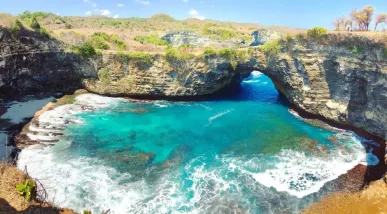
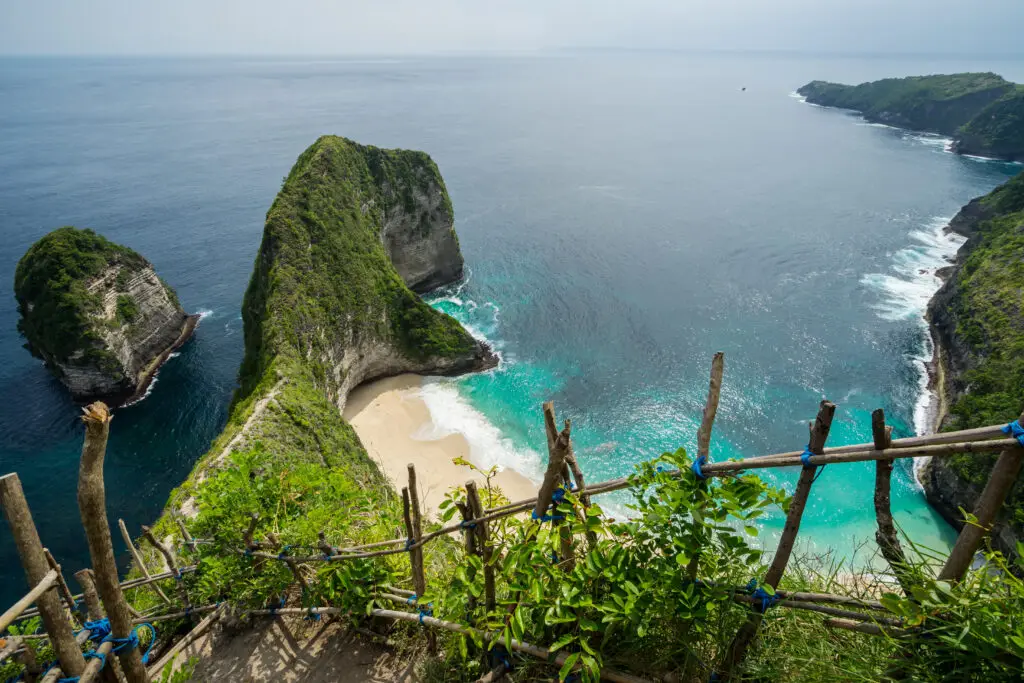
Nusa Penida (Manta Point): Many tours are catching up manta raysThe boats are tightly packed together, and snorkelers pile in at the same time. Animals can be disturbed, and your experience can be frantic. Alternatively, choose Nusa Lembongan with tour mangrove forest which is managed by the community. You paddle quietly through mangrove alleys, learning about the role of mangrove roots in resisting abrasion and contributing to the local economy. Arrange a very early morning or pre-dusk tour to avoid mass boats, and make sure the operator prohibits touching the animals and uses reef-friendly sunscreen.
-
Gili Trawangan (Turtle Point): The "eco" label is often attached, but the crowds of snorkelers stalking turtles can be stressful. The bike path is also crowded, and party trash can be a nuisance. Try pointing your compass to Gili Gede at Sekotong. The waters are calm, the fishing villages are friendly, and small inns invite you to learn about seaweed farming. Snorkeling here is relaxed, allowing you to observe the biota without having to fight for space. Bring a cloth bag to shop at the village stalls and support local products such as coconut wood crafts made by the community.
-
Pink Beach, Labuan Bajo: This unique beach is beautiful, but the peak season makes it full of boats and uncontrolled activity. Many come for a quick photo, then leave. Opt for an educational trek at Gili Lawa Land or small islands that limit the number of visitors. If you're looking for a quiet beach, ask the operator about alternative islands that cater to your needs. low-impact landing and the no-fin snorkel rule touching the coral. Set aside time for cultural visits in fishing villages so that your money helps strengthen local businesses.
-
Penanjakan, Bromo (Sunrise Viewpoint): Epic views, but rows jeep forming long traffic jams at peak hours. The noise and lights make the atmosphere less serene. Try B29 Argosari at Lumajang with quieter access and panoramic views of the caldera from a different angle. Arrive the day before, stay at a local homestay, and do a short trek with a local guide. You'll still get a magical sunrise, but with much lower crowds and a direct contribution to the village economy.
-
Ijen Crater (Blue Fire in Peak Season): Phenomenon blue fire It's alluring, but hundreds of people waiting in a narrow lane in the early hours of the morning often leads to pushing and shoving and an uncomfortable experience. Choose the educational path Ijen Geopark in surrounding villages such as Kemiren Traditional Village, enjoy coffee Osing, learn art GandrungYou can also do a day trek when it's quieter to observe the crater from a safe distance. The cultural context makes your trip richer, while reducing the pressure of vulnerable hours.
-
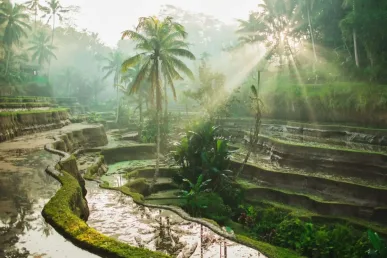
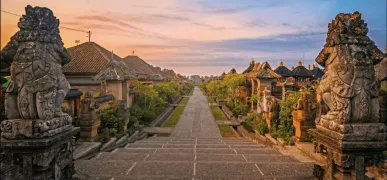
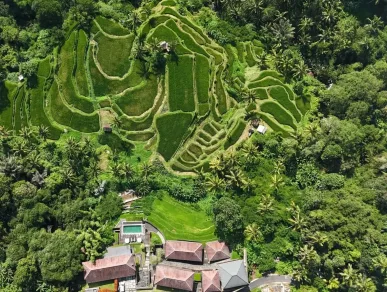
Tegalalang Rice Terrace, Ubud: The terraces are beautiful, but focus on photo spots and swing Fees often trump traditional irrigation education. Go to Subak Jatiluwih that has been recognized UNESCO with official walking paths, information centers, and vehicle restrictions. Here you can learn about the subakYou'll also get to meet farmers and sample local produce. The management is more structured so you really understand the human-water-landscape relationship.
-
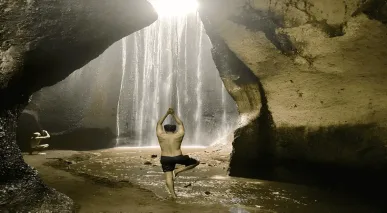
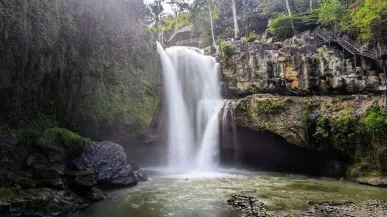
Tegenungan Waterfall: A popular waterfall that is often full of loud music, queues, and peak-season trash. For a quieter experience, try Tibumana very early in the morning, or explore the small waterfalls to the east. bali with the village guide. Request a route that avoids peak hours, and bring Dry bag and small towels so you don't have to rely on disposable facilities.
-
Bunaken Peak Season: This marine park is amazing, but high season can make snorkeling spots crowded and boats close together. Consider Bangka or Lembeh for more focused macro and conservation education. Choose small operators that limit the number of divers per boat, implementing reef-safe sunscreen, and session briefing tight. That way, you see marine life more relaxed and with less impact.
-
Raja Ampat, Piaynemo Peak Hour: Icon West Papua It's spectacular, but the long lines at the stairs and the Speedboat lining up can interfere with the sense of wilderness. Choose Misool with marine reserve strict or community islands that restrict daily visitors. Coming in shoulder seasonYou can also join community patrols, and happily pay conservation fees because that's what keeps the reef healthy.
-
Instagramable waterfall in Lembang: Many waterfall It's a beauty that has become a mass photo spot, while trails are eroding and non-local stalls are mushrooming. Switch plans to Ciletuh Geopark and have a village guide take you to waterfalls with official trails and animal lookout points. You'll gain geological knowledge, support the local economy, and still go home with stunning photos without scrambling.
Eco-friendly Accommodation that's Worth It

Staying at the right place can double the quality of the experience ecotourism. Instead of focusing on bamboo-themed decor, look at real policies like renewable energy, water management, graywater, compost, refill stationto local employee training. Accommodations that really care are usually transparent about their food sourcing, suppliers and the conservation programs they fund. If possible, choose a family-run or village cooperative so your money goes back into the community. Also consider location. Properties near walking or bicycle paths will reduce the need for vehicles. Don't forget to check if they limit linen and towel changes, incentivize bringing your own water bottle, and provide small package tours with a quota. With the right combination of policies and location, you'll sleep better, have a lower carbon footprint, and warmer relationships with your neighbors.
Recommended Stay
Below are some options that are known for implementing more responsible practices. Always confirm the latest policies and choose a room according to your needs to avoid overcapacity.
-
Greenhost Boutique Hotel, Yogyakarta: The hotel is known for combining art, urban farming and sustainability. You can see rooftop garden installations, plastic reduction programs, and creative collaborations with local communities. Conveniently located for exploring Yogyakarta City by bicycle or on foot, reducing the need for vehicles. Staff often educate guests on how to conserve water and electricity, and provide refill station for water bottles. By staying here, you're supporting the local creative ecosystem and enjoying a breakfast that features local ingredients.
-
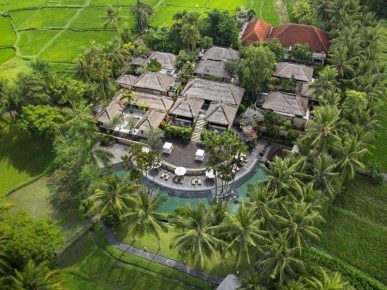
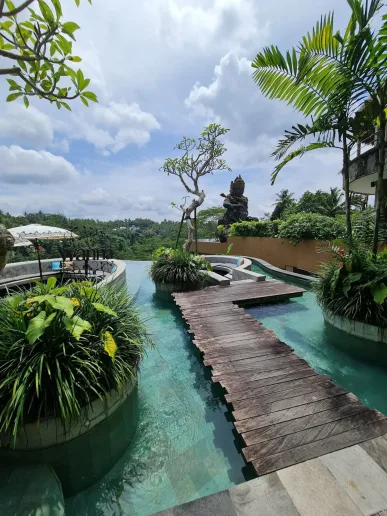
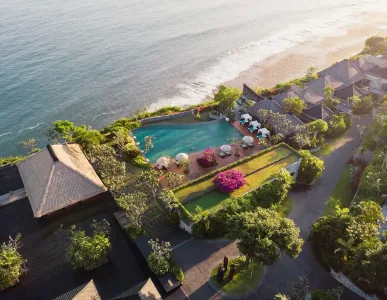
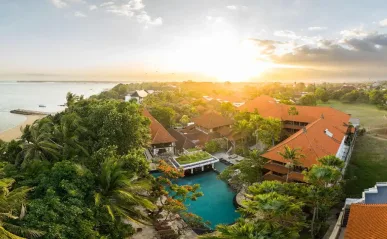
Menjangan Plataran, West Bali National Park: Located in a tranquil area of forest and beach, this property encourages activity. low-impact such as birdwatching and light kayaking. Trained guides provide interpretation of local animals, mangroves and conservation. Water and waste management is more organized, while local involvement is evident in the culinary options and cultural activities. Perfect for those who want a tranquil setting without being too far away from the city. bali south.
-
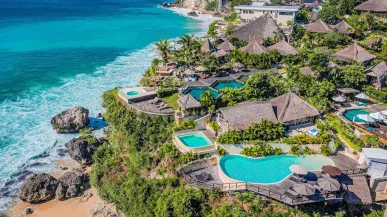
Bawah Reserve, Anambas Islands: Options high-end which emphasizes marine conservation, guest restrictions and community projects. You'll find single-use plastic bans, coral planting activities and biota education. Although at a premium, this management model provides an example of how tourism can fund the protection of nature. If the budget is right, this experience can be a benchmark to judge other destinations against.
-
Menjangan Dynasty Resort, Bali: Concept glamping that blends into the coastal landscape West Bali. Activities are designed to be low-key, with plenty of walking areas and light education on coastal ecosystems. Guests are encouraged to bring their own water bottles and minimize the use of disposable products. Staying in a cozy tent with adequate facilities allows you to experience nature without sacrificing comfort, while supporting eco-friendly practices.
Destinations Around Alternatives that Must Be Included in the Itinerary
In addition to the main destinations, Destinations around alternatives are often the stars of the trip. These places are managed more quietly, provide space for learning, and facilitate natural interactions with residents. By adding Travel Destinations Community-based, your shopping spreads to more local actors such as farmers, artisans and young guides. The key is to time your visit for off-peak hours, come with a small group, and prioritize walking or cycling. If you need a vehicle, use a service that maintains its fleet and limits noise. Don't forget to bring your own personal equipment such as water bottles, lunch boxes and snorkeling gear to avoid adding to the stock of single-use plastics. This way, your itinerary will not only be fun, but also make a good impression on the places you visit.
Explore Around
Here are some Travel Destinations which is in line with the principles of slow travel and lightweight conservation. Mix and match according to interest and season.
-
Subak Jatiluwih, Tabanan: Official walking paths let you stroll through the rice terraces without breaking the bund. Information center explains the philosophy Tri Hita Karana and system subak that maintains the harmony of water, people and nature. Come early in the morning for soft light and cool air. Buy produce directly from the farmer's stalls to bring the economic value back to the community. You can hire a local guide for a deeper understanding of the cropping cycle and the rituals that follow.
-
Nusa Lembongan Mangrove Forest: A quiet rowboat tour takes you along a natural canal while observing birds and small biota. Village guides will explain the role of mangroves in resisting abrasion, filtering water and serving as fish nurseries. Avoid crowded high tide hours and use reef-friendly sunscreen. After the tour, sample seaweed preparations at a local stall. It's a simple, yet eye-opening experience about the importance of coastal ecosystems.
-
B29 Argosari, Lumajang: Known as the "land above the clouds", this vantage point offers a panoramic view of the caldera from a more quiet side than the Penanjakan. Stay at a local homestay, wake up early, and take a short walk to the ridge. You can learn about slope farming and the challenges of soil conservation. Don't forget to check the local weather forecast and bring layers of warm clothing to stay comfortable as you wait for the sunrise.
-
Kemiren Traditional Village, Banyuwangi: Community house Osing presenting a living culture, from coffee Osing to dance Gandrung. With a local guide, you are invited to understand the relationship between culture and landscape. Ijen Geopark. Shop from artisans and sample home-cooked food so your money goes directly to local families. Visits like these add meaning to your trip and balance out the usual focus on the crater.
Drama-free 4-Day Ecotourism Itinerary
This itinerary is flexible and applicable to the region. Bali - Banyuwangi - Lombok with distance adjustments. The main principles: reduce island hopping, choose slow activities, and incorporate learning sessions. Make sure you book local services, check the weather, and prepare your personal gear to avoid the temptation to buy disposable items. For transportation, choose public or shared modes whenever possible, and arrange off-peak visiting hours. Don't forget to take breaks so that the rhythm of the journey doesn't become tiring. The slower you walk, the deeper the experience you'll bring home. Remember, ecotourism Indonesia It's not a marathon race, but a flavorful journey.
Flexible Templates
Feel free to change the location according to your preferred alternative. The key remains the same: slow travel, small groups, and local shopping.
-
Day 1: Arrive and Local Orientation: Arrive at the nearest city, check in at eco-friendly accommodation of your choice. In the afternoon do walking tour briefly get to know the neighborhood, look for refill stationIn the evening, join a cultural introduction session or local ingredient cooking class. In the evening, join a cultural familiarization session or a cooking class on local ingredients. The goal is to understand the context of the place, not just sleep over. Make sure you bring back all your personal waste, and use non-motorized transportation if distance allows.
-
Day 2: Low-Impact Nature Exploration: Start the morning with a light trek at terassering or forest trails that have interpretation boards. Bring a water bottle and snack in a feeding box. During the day, continue with birdwatching or tour mangrove with the village guide. In the afternoon, rest and fill in your travel journal so you realize the impact and lessons learned. Evening, dine on home-cooked food from a local family.
-
Day 3: Cultural Education and Conservation: Morning visit traditional village to learn about art, coffee or crafts. In the afternoon, join a short workshop such as composting or planting trees with the community. In the afternoon, snorkel at a spot that limits the number of visitors. Make sure the operator explains reef rules and safe distances from animals. Evening, have an evaluation discussion with your guide about what can be improved about your walking habits.
-
Day 4: Reflection and Responsible Shopping: Free morning to enjoy Travel Destinations nearby that is quiet. Take the time to write thank-you notes to hosts, leave reviews that highlight good practices, and ask how to support conservation programs from afar. Shop for souvenirs from local artisans with minimal packaging. In the afternoon, return to your hometown with a light heart and a plan to come again in a quieter season.
Anti-Overtourism and Anti-TipsGreenwashing
Before hitting the "book now" button, take five minutes to double-check your travel details. With a little extra research, you can turn an ordinary vacation into an experience. ecotourism Indonesia that really make an impact. Focus on small groups, education and transparency. Remember, a place that goes viral may not be suitable for green travel. Don't be afraid to say no to activities that could potentially disturb animals, even if the photos are pretty. Finally, give value to small businesses that consistently do the right thing even if it doesn't make a splash on social media. Your support could be the reason they survive and thrive.
Practical Checklist
Write down three simple commitments and stick to them throughout the journey. Here's a quick guide that's easy to implement.
-
Choose an operator with quota and education: Ask about daily quotas, guide-guest ratios and interpretation materials. A good operator will be keen to explain reef rules, animal safety distances and local culture. Avoid services that cram in a lot of people for a low price. Pay a little more for better quality and impact.
-
Reduce footprint and shop local: Bring your own water bottle, cutlery and shopping bag. Choose a homestay or hotel that provides refill station and waste management programs. Eat at family stalls and buy from village artisans to put your money back into the community. Your carbon footprint goes down, your sense of travel goes up.
-
Organize anti-crowd time: Come in shoulder season or choose very early morning or pre-dusk hours. That way, you get a calm atmosphere, more relaxed animals, and more natural photos. Also, make sure you give space to other visitors and don't linger in one spot if there are already many waiting.