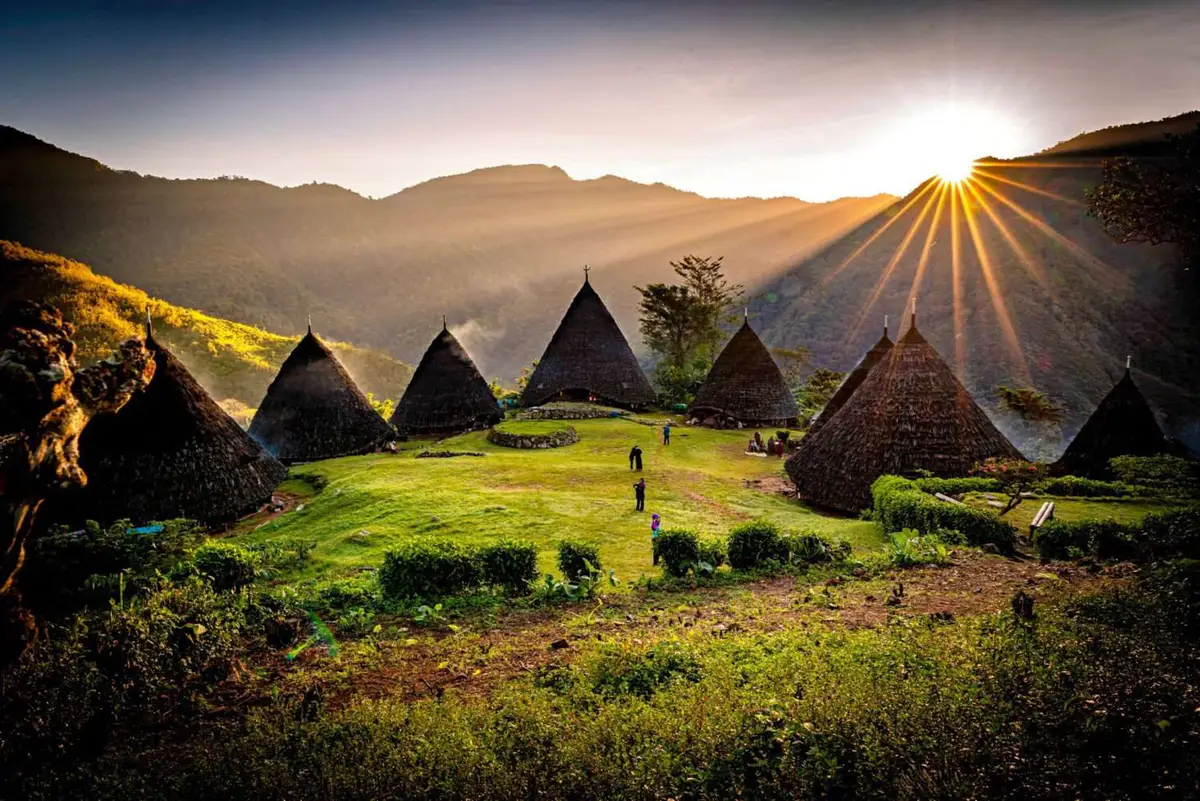
Welcome, adventurers! Have you ever imagined a remote village in the middle of the mountains, with unique traditional houses that stand strong like beehives? Wae Rebo Village, located at East Nusa TenggaraIndonesia, offers an unforgettable experience.
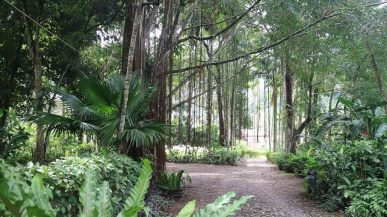
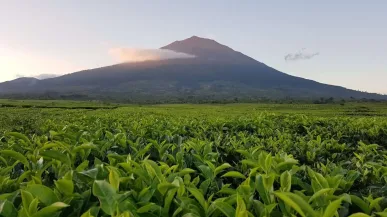
The village is located at 1,200 meters above sea level, surrounded by dense tropical rainforest and towering mountains. The journey to this village is not an easy one. The challenging terrain and long journey will test your spirit. However, it all pays off when you arrive at the village and are warmly welcomed by the local community.
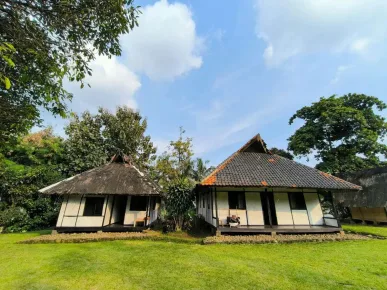
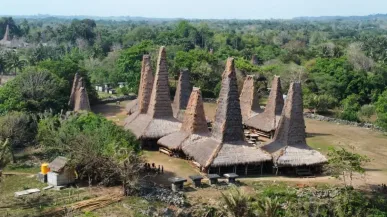
Despite the difficult access, the Village offers tranquility and incredible natural beauty. The unique traditional "Mbaru Niang" houses, made of bamboo and reeds, stand as a testament to centuries of local wisdom. The people of Wae Rebo live in harmony with nature, utilizing natural resources sustainably and maintaining their traditions.
The village is the perfect place for adventurers seeking tranquility and uniqueness. The journey to this village is not for the faint-hearted, but for the adventurous, it will provide an unforgettable experience.
Traces of Wae Rebo Village History: From Ancestral Traditions to Natural Beauty
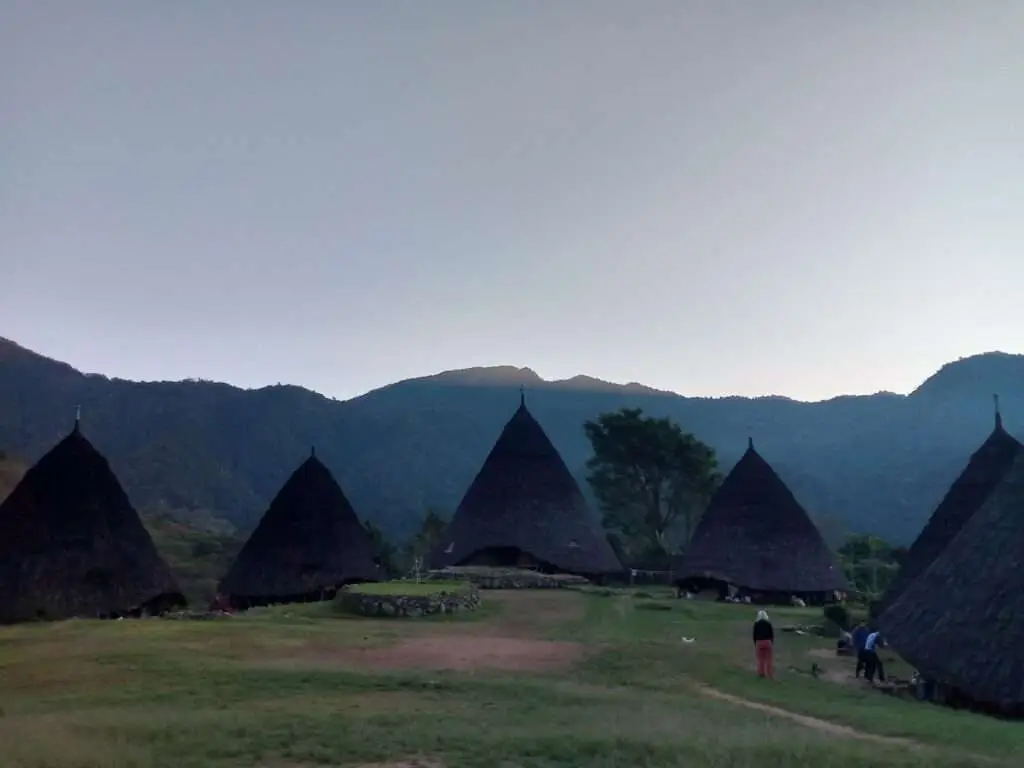
This village, located in Manggarai Regency, East Nusa Tenggara, has been established for centuries. The history of the village is closely intertwined with the lives of the Manggarai people, who are famous for their local wisdom and traditions.
The people of Wae Rebo are part of the Manggarai Tribe, which has a rich culture and tradition. Their life in this village reflects the harmony between man and nature. They coexist with nature, utilize natural resources wisely, and preserve the surrounding environment.
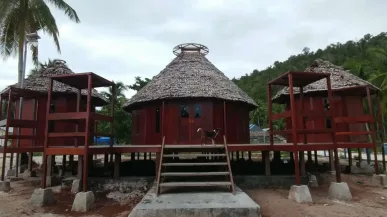
The unique "Mbaru Niang" traditional houses are a true testament to the local wisdom of the Wae Rebo community. The house is cone-shaped and made of bamboo and reeds, built without the use of nails. The shape of the house is inspired by the shape of a beehive, which symbolizes togetherness and interdependence in people's lives.
The Philosophy of "Mbaru Niang": A Symbol of Life and Togetherness
"Mbaru Niang" is a traditional house of the Manggarai tribe that has a deep philosophical meaning. This house symbolizes life, togetherness, and harmony between man and nature.
Each part of the "Mbaru Niang" has a specific meaning. For example, the cone shape symbolizes the sky, where God resides. Meanwhile, the bottom of the house symbolizes the earth, where humans live and do their activities.
"Mbaru Niang" is not only a place to live, but also a symbol of the culture and identity of the people of Wae Rebo. The house is a place to gather, discuss and celebrate various socio-cultural activities.
Hidden Location, Incredible Beauty: Exploring Wae Rebo Village
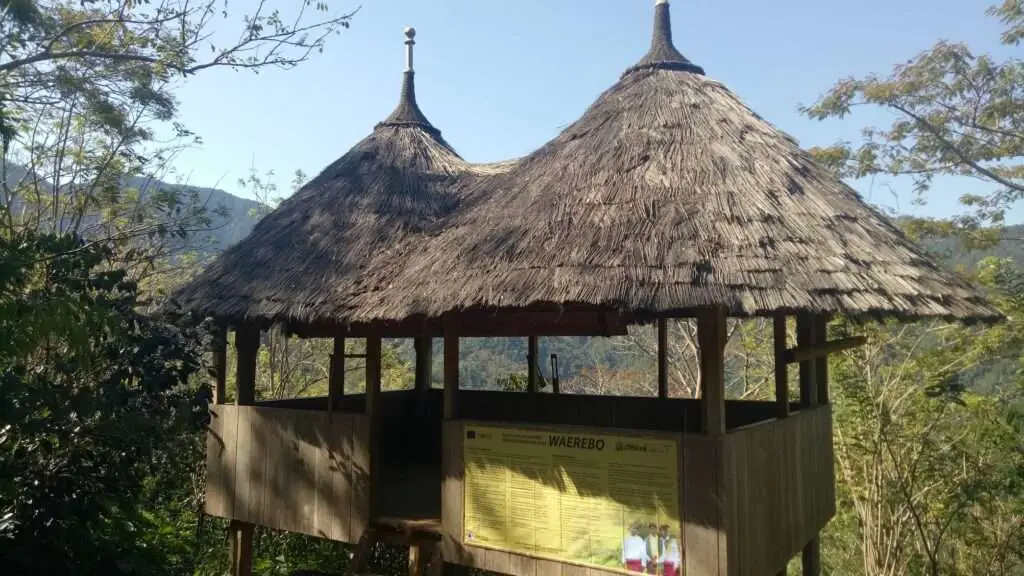
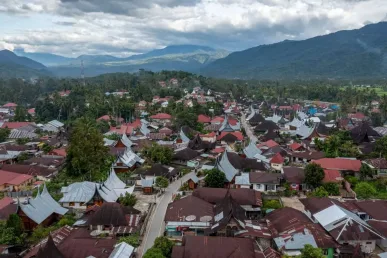
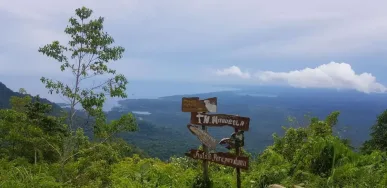
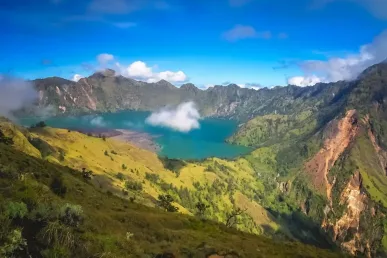
The village is located in Satar Mese Sub-district, Manggarai Regency, East Nusa Tenggara. The village sits at 1,200 meters above sea level, surrounded by dense tropical rainforest and towering mountains.
Access to the village is quite challenging, It takes about 3-4 hours by road from Ruteng City, the capital of Manggarai Regency. The journey will take you through winding roads, past green hills, and fast-flowing rivers.
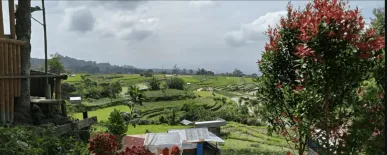
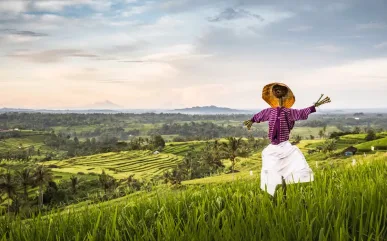
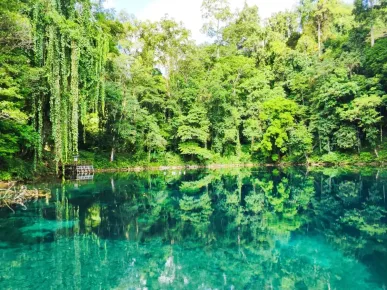
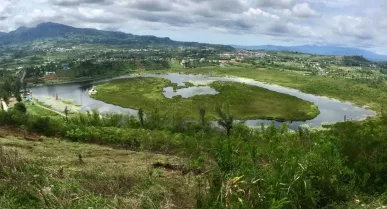
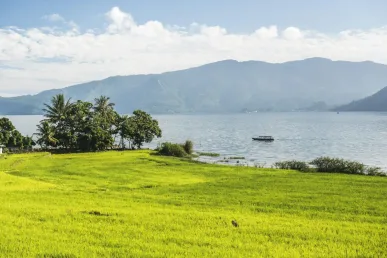
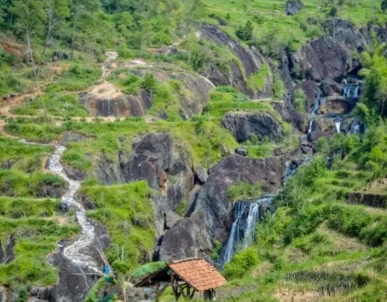
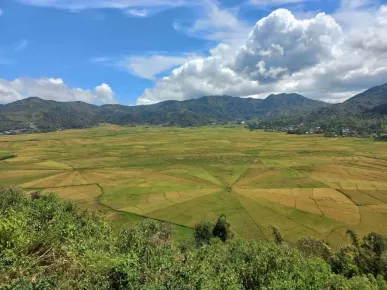
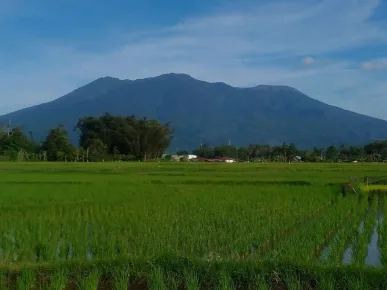
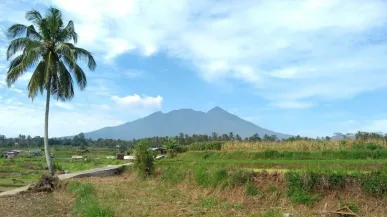
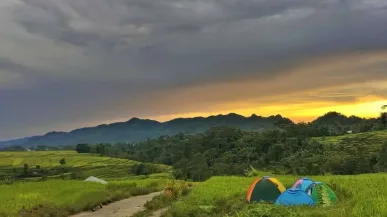
Stunning natural beauty will accompany you throughout the journey. You can see the captivating views of mountains, sprawling green rice fields and lush tropical rainforests.
Exploring Wae Rebo Village: An Enchanting Journey
Transportation to Wae Rebo Village:
1. Private Vehicle: If you want to explore the natural beauty of East Nusa Tenggara freely, you can rent a private vehicle. You can rent a car or motorcycle in Ruteng City.
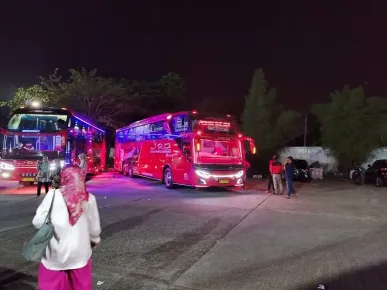
2. Public Transportation: You can also use public transportation, such as buses or other public transportation, to reach Wae Rebo Village. Public buses are available from Ruteng City to Denge, the closest village to this Village.
3. Foot Travel: For those of you who want to experience a real sense of adventure, you can trek from Denge to this village. This journey takes about 3-4 hours.
Thorough preparation is essential before you travel there. Make sure you're in good physical condition, carry adequate gear, and pay attention to safety during the trip.
The Best Time to Explore Wae Rebo Village: Enjoying the Enchanting Beauty of Nature
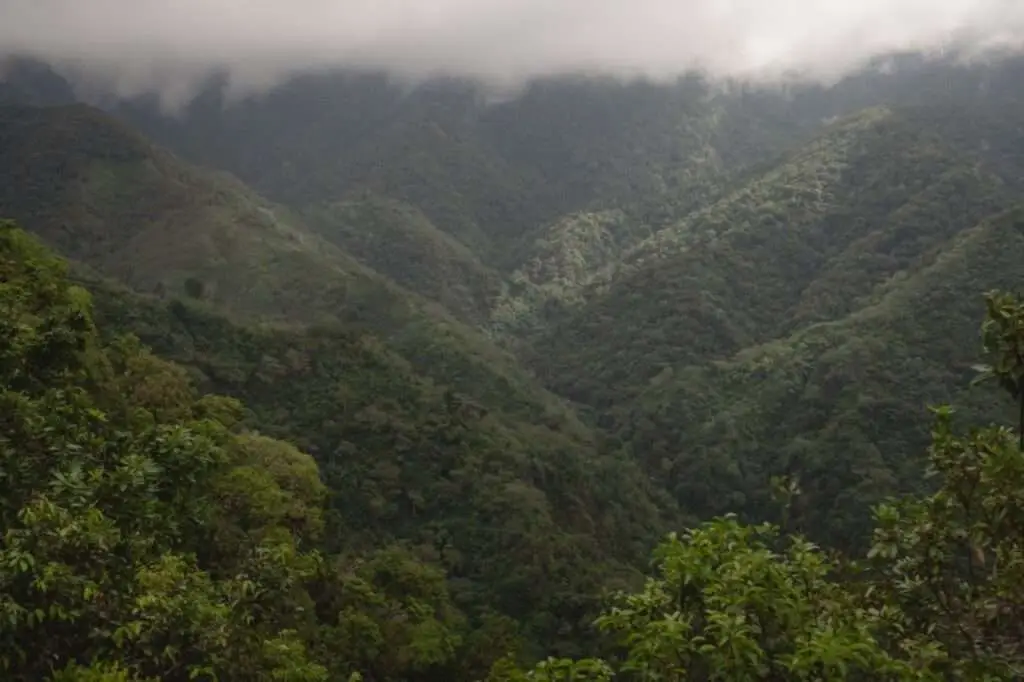
The best time to visit the village is during the dry season, which is around April to October. During this period, the weather is clear, with bright blue skies and cool air. The good weather allows you to enjoy its natural beauty to the fullest.
The rainy season, which runs from November to March, can make access to the village difficult. Heavy rain and slippery roads can be a challenge.
It is important to consider the weather conditions before you plan a trip to this Village. You can get the latest weather information through the website of the Meteorology, Climatology and Geophysics Agency (BMKG).
Exploring Wae Rebo Village: Enjoying a Soothing Atmosphere
Besides weather conditions, the best time to visit also depends on the activities you want to do.
- If you want to enjoy a calm and peaceful atmosphere, then the best time to visit is in the early morning or late afternoon.
- If you want to enjoy the hustle and bustle, then the best time to visit is during the day.
- However, to avoid crowds of tourists, the best time to visit is on weekdays.
Prepare yourself to enjoy its enchanting natural beauty. Be prepared to experience the serenity, natural beauty and hospitality of the local people.
Wae Rebo Village Attractions: Natural Beauty, Local Wisdom, and Unforgettable Experiences
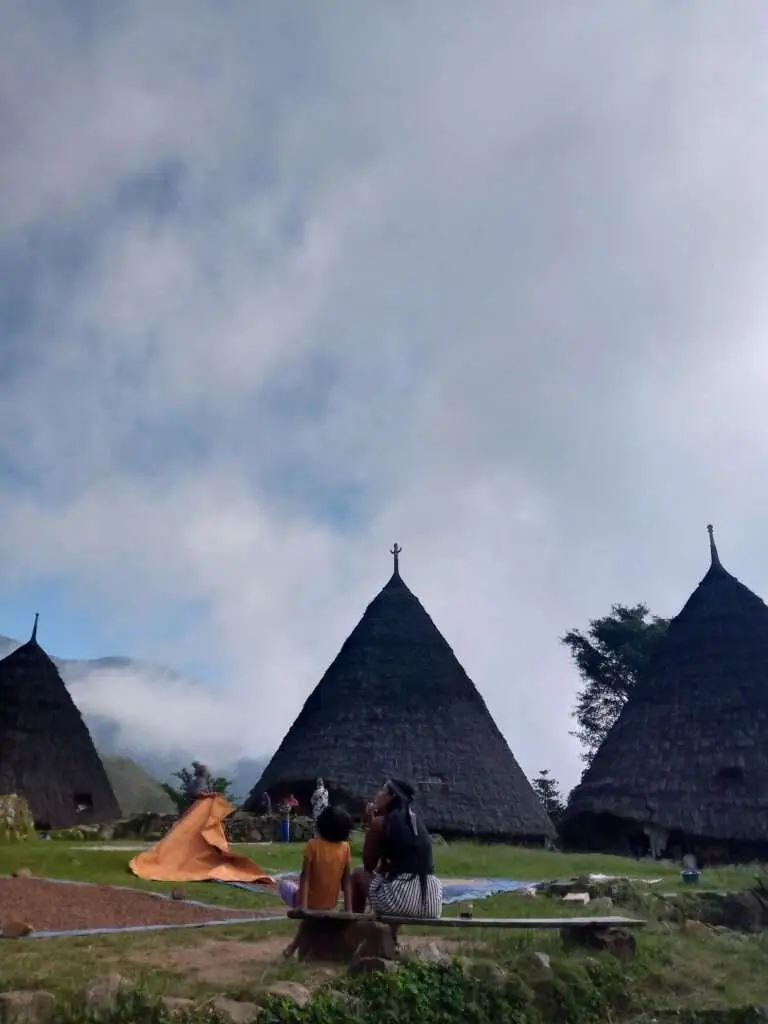
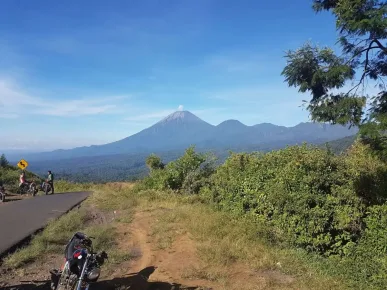
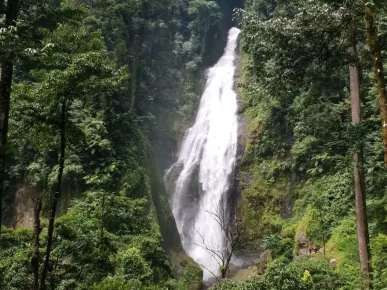
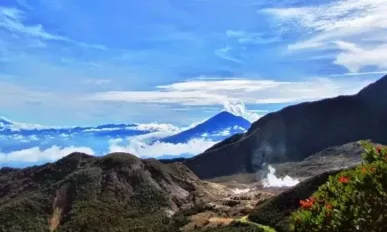
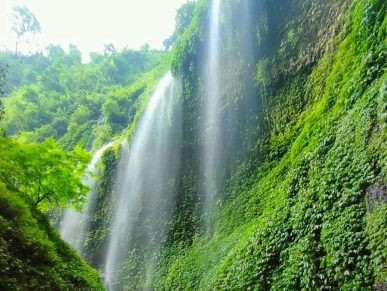
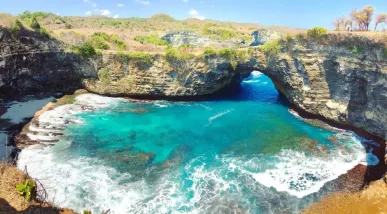
Wae Rebo Village offers stunning natural beauty. The views of towering mountains, dense tropical rainforests and cool air will make you feel like you're in paradise.
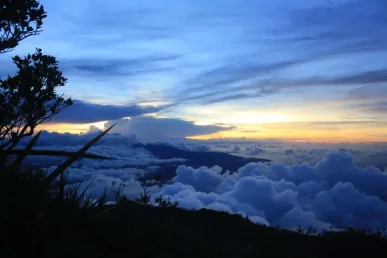
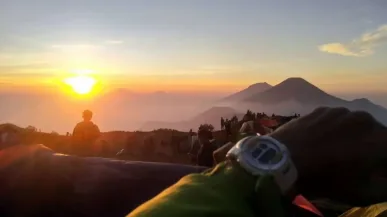
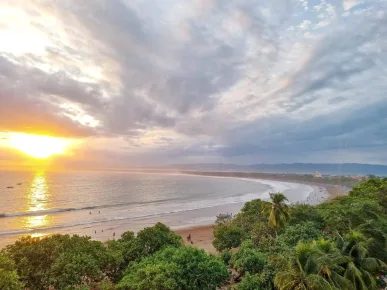
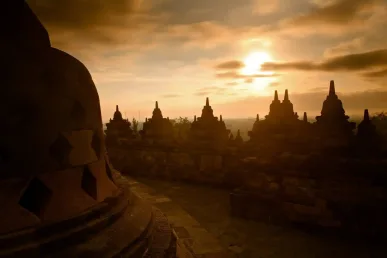
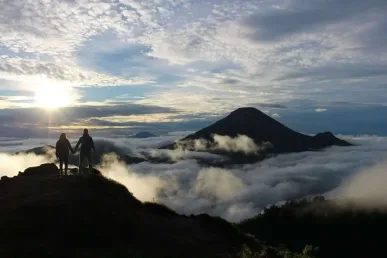
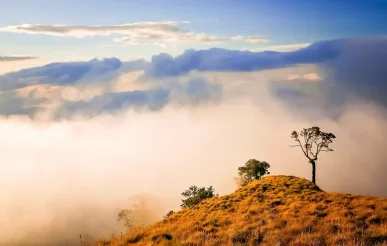
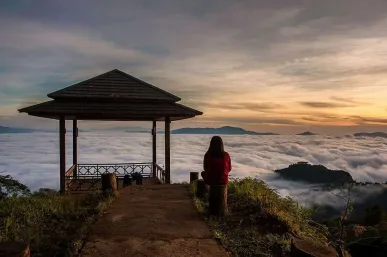
The sunrise and sunset views from this village are breathtaking. You can enjoy this view from the top of the hill, which offers a 360-degree panorama.
The natural beauty of Wae Rebo Village also offers a variety of interesting natural activities. You can go trekking, mountain climbing, or just enjoy the soothing atmosphere of nature.
Local Wisdom of Wae Rebo Village: Tradition and Culture Preserved
The people of Wae Rebo are known for their preserved local wisdom. They live in harmony with nature, utilize natural resources wisely, and maintain their traditions.
They have unique traditions and cultures. For example, the "Mbaru Niang" tradition demonstrates their expertise in building traditional houses without using nails.
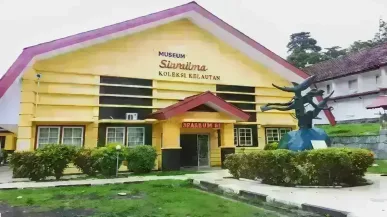
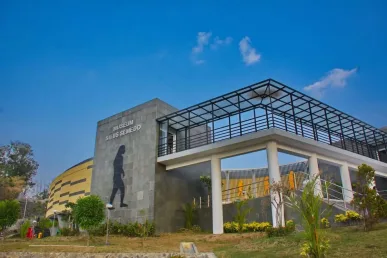
You can learn more about the traditions and culture of the people of Wae Rebo by visiting the small museum in the village. The museum exhibits various artifacts and artworks of the local community.
Unforgettable Experience in Wae Rebo Village: Enjoying Priceless Uniqueness
The village offers an unforgettable experience for visitors.
You can feel the warm and unpretentious hospitality of the people of Wae Rebo. They will welcome you with open arms and happily share their stories and experiences.
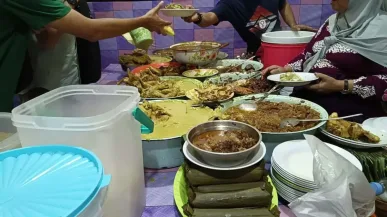
You can also enjoy Wae Rebo's culinary specialties, such as "Tumpi" and "Molo", which are made from local ingredients. This culinary will spoil your tongue and provide a unique culinary experience.
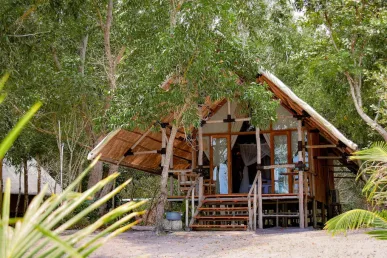
Spending the night at "Mbaru Niang" is also a unique experience. You can experience the sensation of sleeping in a traditional house made of bamboo and reeds.
Wae Rebo Village is the perfect place for those looking to escape the hustle and bustle of city life. Here, you can find tranquility, natural beauty and genuine hospitality.
Interesting Activities in Wae Rebo Village: An Unforgettable Adventure
Exploring Wae Rebo Village: Exciting Activities that Wait
Wae Rebo Village offers a variety of interesting activities that you can do. From trekking in the mountains, enjoying the beauty of nature, to learning the traditions and culture of the local people.
Interesting Activities in Wae Rebo Village:
1. Trekking: Wae Rebo Village is an ideal place for those who love trekking. Trekking around the village will take you through tropical rainforests, towering mountains and stunning natural scenery.
2. Photography: Wae Rebo Village has a beautiful and stunning natural panorama. You can capture this natural beauty with your camera, from the traditional "Mbaru Niang" houses to the captivating mountain views.
3. Homestay: You can experience the intimacy and warmth of the Wae Rebo community by staying at a homestay. Homestays in Wae Rebo Village offer various facilities, such as beds, bathrooms and dining areas.
4. Interacting with Society: You can interact with the people of Wae Rebo and learn about their traditions and culture. The people of Wae Rebo are known for their hospitality and patience.
5. Enjoying Local Cuisine: You can enjoy Wae Rebo's culinary specialties, such as "Tumpi" and "Molo". These culinary delights are made from local ingredients and will spoil your tongue.
Delicious Culinary of Wae Rebo Village: Amazing Traditional Flavors
Typical Culinary of Wae Rebo Village: Enjoy Unique Traditional Flavors
Wae Rebo Village offers a unique culinary experience. The people of Wae Rebo have traditional food made from local ingredients and processed with traditional techniques.
Typical Culinary of Wae Rebo Village:
1. "Tumpi": "Tumpi" is a traditional food made from sago flour, cassava and spices. This food is usually served with "Molo", a traditional food made from corn.
2. "Molo": "Molo" is a traditional food made from corn that is processed by boiling, frying, or grilling. "Molo" is usually served with "Tumpi" or "Loku", a traditional food made from taro leaves.
3. "Loku": "Loku is a traditional food made from taro leaves that is processed by boiling or frying. "Loku is usually served with "Tumpi" or "Molo".
4. Traditional Drinks: The people of Wae Rebo also have traditional drinks, such as "Tuak" and "Sopi". "Tuak" is an alcoholic drink made from coconut sap, while "Sopi" is an alcoholic drink made from glutinous rice.
5. "Wae Coffee": "Wae Coffee" is an arabica coffee grown on the mountainside around Wae Rebo Village. This coffee has a distinctive aroma and strong flavor.
Charming Lodging in Wae Rebo Village: Exploring the Beauty of Nature
Accommodation Near Wae Rebo Village: Overnight in Paradise
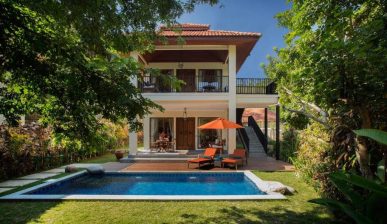
For those of you who want to explore the beauty of Wae Rebo Village more freely, there are various accommodation options around the village. The accommodation offers various facilities, such as a bed, bathroom and dining area.
Here are some accommodation recommendations around Wae Rebo Village:
Frugal Accommodation:
1. Wae Rebo Homestay: This homestay offers simple rooms at affordable prices. 2. Denge Homestay: This homestay is located in Denge Village, the closest village to Wae Rebo Village. 3. Ruteng Homestay: The homestay is located in Ruteng City, the capital of Manggarai Regency.
Luxury Accommodation:
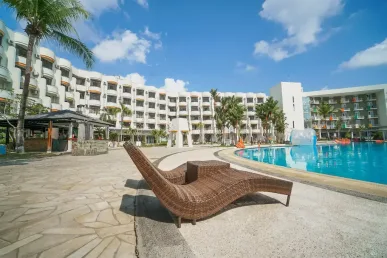
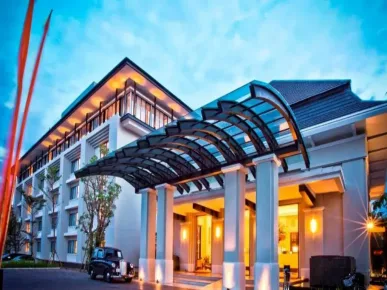
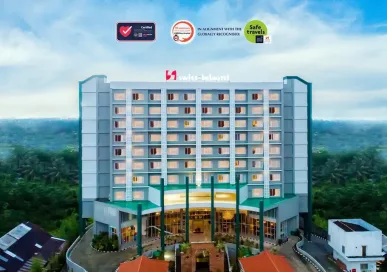
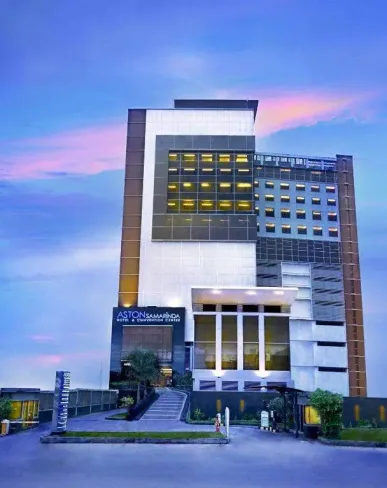
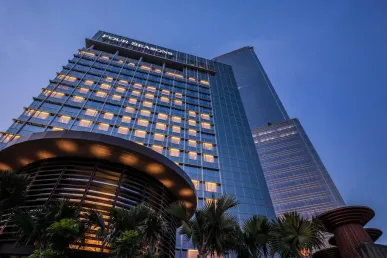
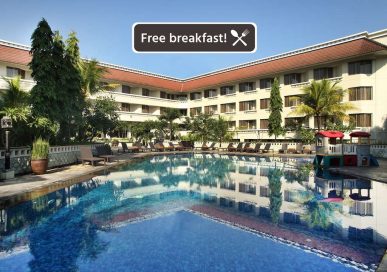
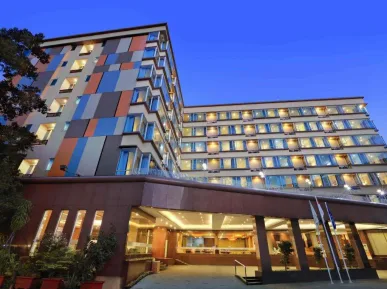
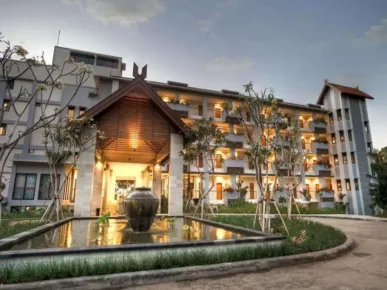
**1. ** This luxury hotel offers complete facilities, such as a swimming pool, restaurant and spa. **2. ** This hotel offers beautiful views of nature from its rooms.
Business Accommodation:
**1. ** This business hotel offers complete facilities, such as meeting rooms, internet access and laundry services.
**2. ** The hotel is strategically located in Ruteng City, close to various business centers.
Tips for choosing accommodation:
- Consider your budget.
- Choose accommodation that suits your needs.
- Make sure the accommodation has complete facilities.
- Read reviews from previous visitors before you choose your accommodation.
Amazing Places Around Wae Rebo Village: Exploring the Enchantment of East Nusa Tenggara
Explore POIs (Points of Interest) around the location:
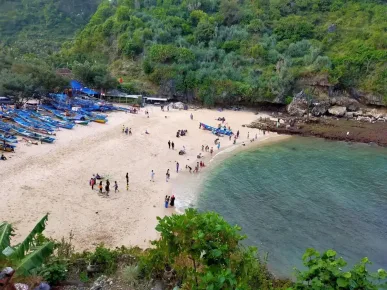
In addition to the beauty of Wae Rebo Village, you can also explore various interesting attractions around the village.
Here are some recommended tourist attractions around Wae Rebo Village:
POI Nature:
1. Mount Inerie: Mount Inerie is a volcano located in Manggarai Regency. The mountain has beautiful natural scenery and offers challenging hiking trails.
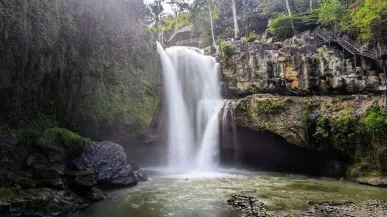
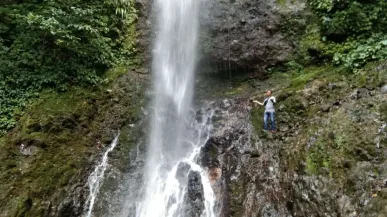
2. Cunca Wulang Waterfall: Cunca Wulang Waterfall is a waterfall located in Manggarai Regency. The waterfall has stunning natural beauty and offers a refreshing natural swimming pool.
3. Lake Kelimutu: Lake Kelimutu is a tricolor lake located in Ende Regency, East Nusa Tenggara. The lake has a unique and stunning natural scenery.
Monument POI:
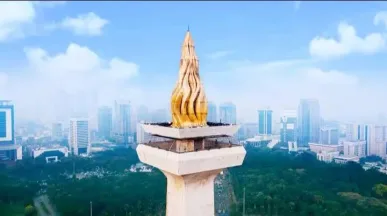
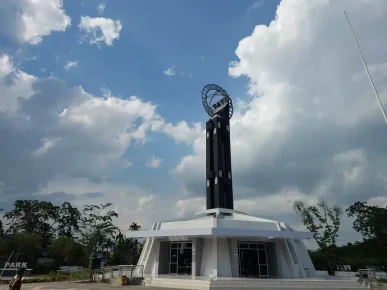
1. August 17th Monument: The monument was built to commemorate Indonesia's Independence Day.
History POI:
1. Ruteng Church: The church is an old church built in the 19th century. It is of historical and architectural importance.
2. Manggarai Museum: The museum exhibits various artifacts and artworks of the Manggarai people. The museum provides information about the history, culture and life of the Manggarai people.
Vacation Tips: Comfortable Vacation Preparation
Tips and Preparations Before Visiting:
Here are some tips to prepare for your trip to Wae Rebo Village:
1. Prepare physically: The journey to Wae Rebo Village is quite challenging. You need excellent physical condition for trekking and mountain climbing.
2. Equipment: Bring adequate equipment, such as warm clothes, trekking shoes, a flashlight, and medication.
3. Transportation: Arrange your transportation well. You can rent a private vehicle or use public transportation.
4. Guide: If you are a novice traveler, you can use the services of a local guide. The local guide will assist you in trekking and exploring Wae Rebo Village.
5. Ethics: Be polite and respect the traditions and culture of the people of Wae Rebo. Avoid littering and damaging the surrounding environment.
Interesting Facts: Get to Know Wae Rebo Village
Fun Facts or Myths About Destinations:
Here are some interesting facts about Wae Rebo Village:
- The traditional "Mbaru Niang" house does not use nails in its construction.
- The people of Wae Rebo still uphold their traditions and culture.
- Wae Rebo Village is a remote village that is difficult to access.
- The people of Wae Rebo live in harmony with nature and utilize natural resources sustainably.
Myths that developed in the Wae Rebo community:
- The myth of the "Mbaru Niang" which is inhabited by ancestral spirits.
- The myth about "Wae Rebo" being inhabited by supernatural beings.
Plan Your Trip: Interesting Itinerary to Explore Wae Rebo Village
Itinerary or Tour Package Suggestions:
Here is an example of a 3-day itinerary to visit Wae Rebo Village:
Day 1:
- Depart from Ruteng City to Denge Village.
- Trekking from Denge Village to Wae Rebo Village.
- Stay at a homestay in Wae Rebo Village.
Day 2:
- Exploring Wae Rebo Village.
- Interact with the local community.
- Enjoying Wae Rebo's culinary specialties.
Day 3:
- Trekking from Wae Rebo Village to Denge Village.
- Back to Ruteng City.
Tips for planning your trip:
- Time your trip well.
- Prepare your budget carefully.
- Book your accommodation and transportation in advance.
- Search for information about the tourist attractions you want to visit.
Travel Responsibly: Preserving the Beauty of Wae Rebo Village
Sustainability and Ethics in Sustainable Tourism:
Exploring Wae Rebo Village is an unforgettable experience.
However, it is important to maintain the beauty and sustainability of Wae Rebo Village.
Here are some tips for responsible tourism in Wae Rebo Village:
- Avoid littering.
- Respect the traditions and culture of the local community.
- Buy local products to support the local economy.
- Keep the neighborhood clean.
- Don't destroy nature.
By doing responsible tourism, you can help maintain the beauty and sustainability of Wae Rebo Village.
Capturing Beautiful Moments: Creating Captivating Photos
Instagramable spots or best photo spots:
Here are some of the best places to take photos in Wae Rebo Village:
- Traditional "Mbaru Niang" houses: This house has a unique and beautiful shape, perfect for capturing in photos.
- A view of the mountains: The view of the towering mountains is beautiful, perfect for capturing in photos.
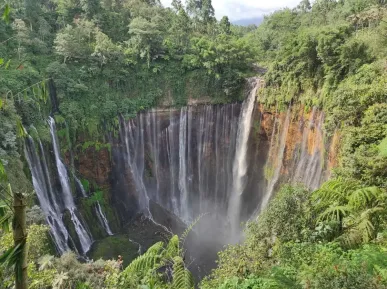
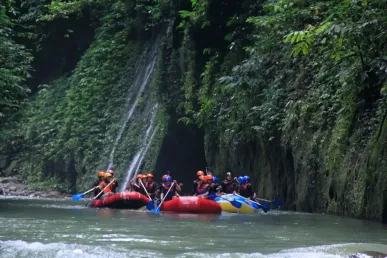
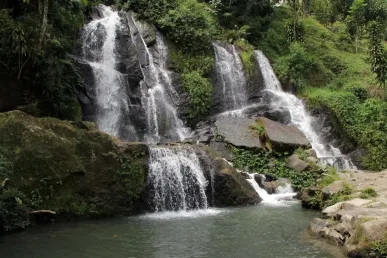
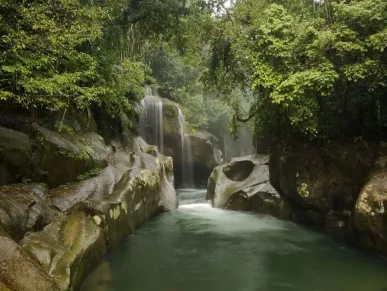
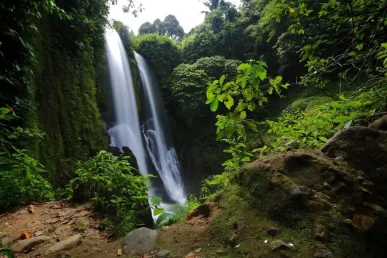
- Rivers and waterfalls: Fast-flowing rivers and waterfalls add to the natural beauty of Wae Rebo Village, perfect for capturing in photos.
- Local community: You can capture the hospitality and local wisdom of the Wae Rebo community in photos.
Tips for taking photos in Wae Rebo Village:
- Use a camera with good quality.
- Choose the right light.
- Get creative and look for interesting angles.
Financial Planning: Exploring Wae Rebo Village on a Budget
Cost and Budget (Cost Guide):
Below is the estimated cost of traveling to Wae Rebo Village:
- Transportation: IDR 500,000 - IDR 1,000,000 (depending on route and vehicle type).
- Accommodation: IDR 100,000 - IDR 500,000 per night (depending on accommodation type).
- Food: IDR 50,000 - IDR 100,000 per day.
- Admission: IDR 10,000 - IDR 20,000 per person (if applicable).
Cost-saving tips:
- Choose public transportation.
- Stay in a homestay.
- Buy food at local food stalls.
- Take advantage of promos and discounts.
Happy Exploring!
Start your adventure to Wae Rebo Village, discover a hidden paradise in East Nusa Tenggara.
Enjoy the natural beauty, friendly people, and unique culture.
Remember, be a responsible traveler.
See you in Wae Rebo Village!